Have you ever noticed a foul smell wafting from your sink? Whether it’s in the kitchen or bathroom, a stinky sink drain can turn your clean and inviting space into an unpleasant area. Fortunately, eliminating these odours is usually straightforward and can be done with simple, everyday solutions. In this guide, we’ll explore ten effective ways to fix a stinky sink drain, why sinks develop unpleasant smells, and how to prevent future odours.
Why Does Your Sink Drain Smell?
Before diving into solutions, it’s important to understand why your sink smells in the first place. Common causes include:
-
Food Residue and Grease: Kitchen sinks often trap small bits of food and oil, which decompose over time and create a foul odour.
-
Soap Scum and Dirt: Bathroom sinks accumulate soap residue, toothpaste, and hair, which can breed bacteria and produce smells.
-
Dry P-Trap: The P-trap, the U-shaped pipe under your sink, holds water to prevent sewer gases from escaping. If it dries out, unpleasant smells can enter your home.
-
Bacterial Growth: Warm, moist environments in the drain encourage bacterial growth, leading to odours.
-
Clogs and Blockages: Deep clogs trap debris and cause slow drainage, creating a breeding ground for smell-causing bacteria.
Understanding the root cause will help you choose the most effective method to eliminate the smell and prevent recurrence.
1. Boiling Water
Why it works: Boiling water dissolves grease, soap scum, and small food particles, flushing them down the drain.
Step-by-Step:
-
Boil a kettle or large pot of water.
-
Slowly pour the boiling water directly into the drain.
-
Repeat this once a week for ongoing freshness.
Pro Tip: Avoid pouring boiling water directly into old PVC pipes, as extreme heat can damage them. Pour gradually to avoid stress on the pipe.
Maintenance Tip: Use boiling water regularly, especially after washing greasy dishes, to prevent buildup.
2. Baking Soda and Vinegar
Why it works: Baking soda neutralizes odours, while vinegar’s acidity breaks down grime and kills bacteria.
Step-by-Step:
-
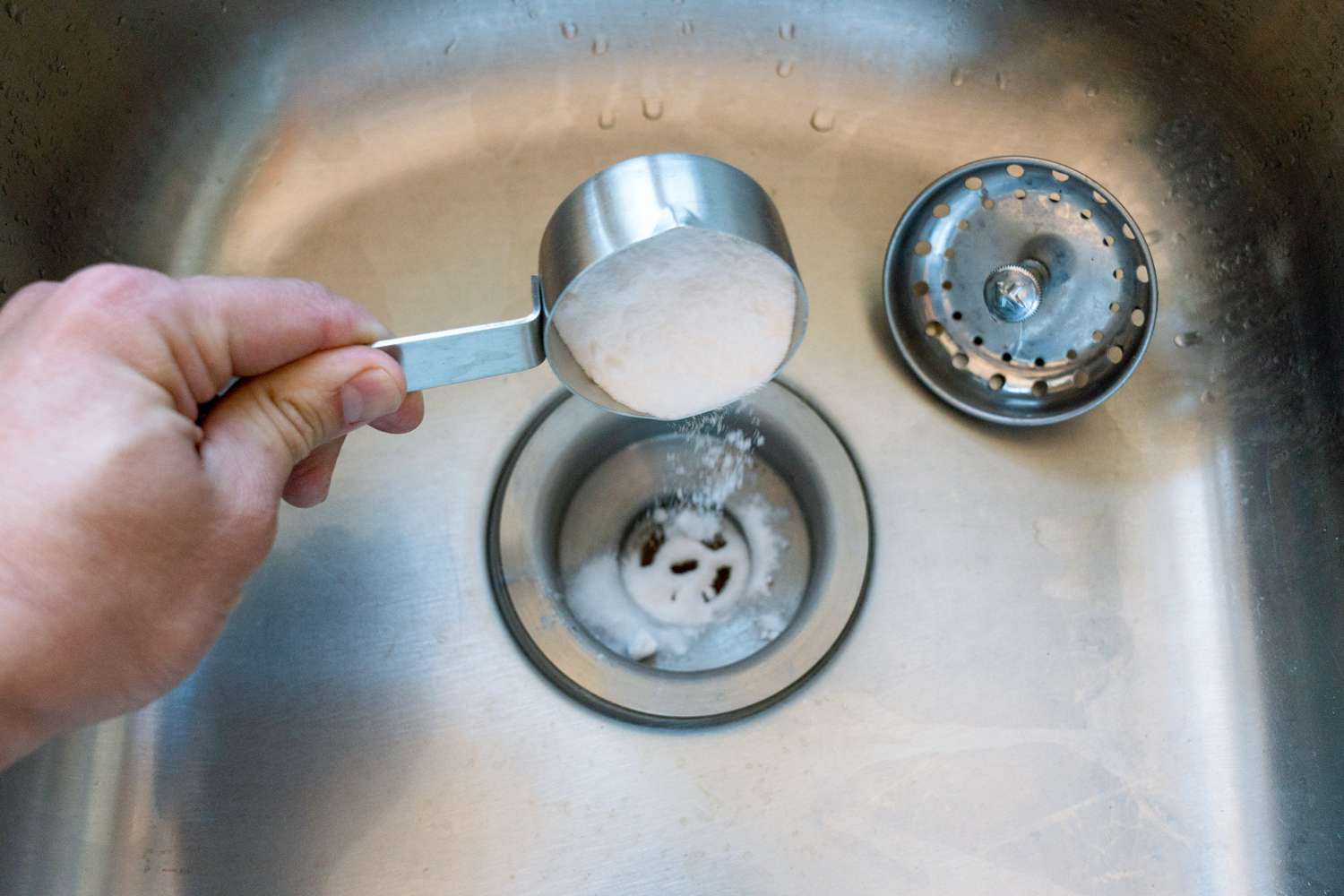
Pour 1 cup of baking soda down the drain.
-
Add 1 cup of vinegar and watch the fizz.
-
Let it sit for 30 minutes to an hour.
-
Rinse with hot water.
Pro Tip: For a deeper clean, follow up with boiling water after the vinegar rinse.
Maintenance Tip: Repeat this process once a month to keep drains free of buildup.
3. Lemon Juice
Why it works: Lemon juice is acidic, breaking down grease and neutralizing bacteria. The citrus scent leaves a refreshing fragrance.
Step-by-Step:
-
Squeeze fresh lemon juice directly into the drain.
-
Alternatively, toss lemon peels down the drain and run hot water.
-
Let the mixture sit for 10–15 minutes.
Pro Tip: Combine lemon juice with baking soda for a natural fizzing cleaner that deodorizes and unclogs simultaneously.
4. Salt and Baking Soda Scrub
Why it works: Salt acts as a gentle abrasive, scrubbing away grime while baking soda neutralizes odours.
Step-by-Step:
-
Mix ½ cup of salt with ½ cup of baking soda.
-
Pour the mixture down the drain.
-
Follow with boiling water to rinse away residue.
Maintenance Tip: Use this mixture monthly for ongoing prevention of buildup and smells.
5. Regular Cleaning
Why it works: Prevention is better than cure. Frequent cleaning stops debris and bacteria from accumulating.
Step-by-Step:
-
Remove visible food particles from the sink after every use.
-
Wipe down the basin, faucet, and surrounding areas.
-
Flush the drain with hot water after washing dishes.
Pro Tip: Avoid letting coffee grounds, grease, or large food scraps go down the drain—they are major contributors to odours.
6. Check the P-Trap
Why it works: The P-trap can trap debris and create an odour if not cleaned properly.
Step-by-Step:
-
Place a bucket under the P-trap to catch water.
-
Carefully unscrew and remove the P-trap.
-
Clean out debris and rinse thoroughly.
-
Reassemble and test for leaks.
Pro Tip: If your sink isn’t used frequently, run water weekly to keep the P-trap filled and prevent sewer gases from escaping.
7. Use a Drain Screen
Why it works: A drain screen prevents food, hair, and other debris from entering pipes and causing odours.
Step-by-Step:
-
Purchase a mesh drain screen that fits your sink.
-
Place it over the drain.
-
Empty and clean the screen daily or after heavy use.
Maintenance Tip: Combine with other natural cleaning methods for maximum effect.
8. Essential Oils
Why it works: Essential oils not only provide fragrance but also possess antibacterial properties that combat odour-causing bacteria.
Step-by-Step:
-
Add 5–10 drops of essential oil (tea tree, peppermint, or lavender) to the drain.
-
Let it sit for 10–15 minutes.
-
Rinse with warm water.
Pro Tip: Mix essential oils with baking soda for a deodorizing scrub that also helps clean the pipes.
9. Hydrogen Peroxide
Why it works: Hydrogen peroxide is a natural disinfectant that kills bacteria and eliminates odours.
Step-by-Step:
-
Mix ½ cup hydrogen peroxide with ½ cup vinegar.
-
Pour the mixture down the drain.
-
Let it sit for 30 minutes.
-
Rinse with hot water.
Maintenance Tip: Use this method monthly for bathroom sinks prone to bacterial buildup.
10. Call a Professional
Why it works: Persistent odours may indicate serious plumbing issues, such as deep clogs, damaged pipes, or venting problems.
Step-by-Step:
-
If natural and DIY methods fail, contact a licensed plumber.
-
Describe the problem in detail.
-
Schedule an inspection to resolve the underlying issue safely.
Pro Tip: Regular professional maintenance can prevent severe plumbing problems and recurring odours.
Additional Tips for Preventing Sink Odours
-
Avoid Pouring Grease Down the Drain: Fat and oil solidify in pipes, creating odours.
-
Run Cold Water While Using the Garbage Disposal: This helps flush food particles down the drain.
-
Flush Drains Weekly: Even unused sinks benefit from a weekly flush with hot water or natural cleaners.
-
Use Baking Soda After Dishwashing: Sprinkle a small amount down the drain to absorb odours overnight.
-
Check for Mold or Mildew: Regularly inspect under sinks for leaks, as moisture encourages odours.
Final Thoughts
A stinky sink drain doesn’t have to disrupt your home’s comfort. By understanding the causes and using natural, effective methods like boiling water, baking soda and vinegar, lemon juice, and essential oils, you can eliminate unpleasant smells and keep your sinks fresh. Regular maintenance, preventive measures, and occasional professional help ensure your sink remains clean, odor-free, and welcoming year-round.


