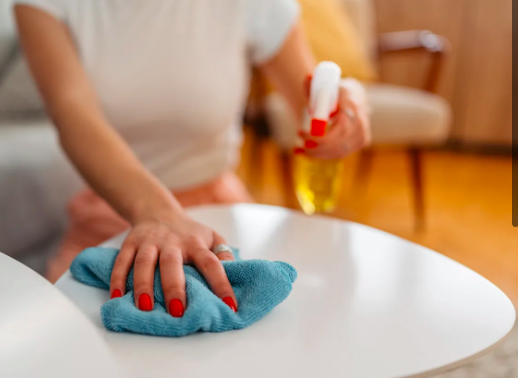
If you think the toilet is the germiest place in your home, think again. While it has a dirty reputation, it does not even rank among the top six germ hotspots in most households. This surprising reality may have you questioning whether you are spending your cleaning time in the right places. Many everyday items that seem harmless actually harbor more bacteria than your toilet seat. Rethink your cleaning priorities with this detailed guide to the six germiest things in your house and how to clean them effectively to protect your health and your family.
Understanding where germs thrive is the first step toward creating a cleaner, safer living space. Below, we break down each high-risk item, explain why it is so contaminated, and provide practical, science-backed cleaning tips you can easily follow.
1. Kitchen Sponges
Kitchen sponges are the single germiest item in the entire house. According to a study from the National Science Foundation, 75 percent of kitchen sponges test positive for coliform bacteria, which is an indicator of fecal contamination. Sponges stay damp, trap food particles, and provide the perfect environment for bacteria to multiply rapidly.
Each time you wipe a countertop or dish with a dirty sponge, you are spreading bacteria across your kitchen surfaces rather than cleaning them. This increases the risk of food contamination and foodborne illnesses.
How to Clean Kitchen Sponges
To disinfect sponges, wet them thoroughly and place them in the microwave for two minutes. The heat helps kill most bacteria. This should be done daily. Even with regular disinfecting, sponges should be replaced every one to two weeks.
A better long-term solution is to swap sponges for washcloths that can be washed in hot water or scrub brushes that can be cleaned in the dishwasher. These options dry faster and are less likely to harbor harmful germs.
2. Kitchen Sink
The kitchen sink is one of the most overlooked germ hotspots in the home. NSF researchers found coliform bacteria in nearly half of the sinks they tested, and yeast or mold was present in 27 percent of cases. Raw food residue, moisture, and frequent use make the sink an ideal breeding ground for bacteria.
Ironically, the place where you clean your food and dishes is often dirtier than the bathroom sink.
How to Clean the Kitchen Sink
Disinfect your kitchen sink at least once a week. Scrub it thoroughly using an all-purpose cleaner or natural alternatives such as baking soda, hydrogen peroxide, or lemon juice. Pay close attention to the faucet handles and sink edges.
To sanitize the drain, pour one teaspoon of white vinegar diluted in one quart of water down the drain. This helps reduce bacteria buildup and unpleasant odors.
3. Bath Towels
Bath towels may look clean, but they can quickly become loaded with bacteria. It only takes about 20 minutes for a damp towel to begin harboring mildew and bacteria. Every time you reuse a contaminated towel, you increase your chances of developing skin rashes, allergies, or infections.
Warm, humid bathrooms further encourage bacterial growth, especially when towels do not dry properly between uses.
How to Clean Bath Towels
Always hang towels up immediately after use to allow them to dry completely. A wall-mounted rack that allows air circulation is far better than hooks behind a door.
Wash bath towels every three to four uses in hot water to kill bacteria and mildew. If someone in the household is sick, towels should be washed after a single use to prevent the spread of germs.
4. Toothbrush Holders
Toothbrush holders are meant to keep your toothbrush clean, but they often do the opposite. Moisture trapped inside the holder creates a perfect environment for bacteria and mold growth. Studies have shown that toothbrush holders can contain high levels of bacteria due to standing water and poor airflow.
Every time you place your toothbrush back into a contaminated holder, you risk reintroducing germs into your mouth.
How to Clean Toothbrush Holders
If possible, skip the holder entirely and allow toothbrushes to air dry upright in an open container. If you prefer using a holder, wash it by hand or run it through the dishwasher once or twice a week.
You can also place your toothbrush in the dishwasher occasionally to disinfect it. Remember to replace toothbrushes every three months and immediately after recovering from an illness.
5. Cell Phones and Other Electronics
Cell phones, tablets, and other electronic devices collect germs everywhere you go and bring them back into your home. Shared electronics such as remote controls, video game controllers, and computer keyboards are touched frequently and cleaned rarely, making them major germ carriers.
Research has shown that cell phones can harbor more bacteria than a toilet seat due to constant handling and exposure to public surfaces.
How to Clean Electronics Safely
Wipe down electronics once a week using wrung-out disinfecting wipes. Make sure the wipe is not dripping wet to avoid damaging the device.
Use cleaners specifically designed for touchscreen surfaces to prevent scratches or screen damage. Always turn off and unplug devices before cleaning them for safety.
6. Pet Dishes and Toys
Pets are dirtier than most people like to admit. The NSF ranks pet bowls and toys among the germiest items in the home. Bacteria from saliva, food residue, and the floor can accumulate quickly, posing health risks to both pets and humans.
Neglecting pet hygiene can lead to cross-contamination in your kitchen and living areas.
How to Clean Pet Dishes and Toys
Pet food and water bowls should be disinfected daily. You can place them in the dishwasher or scrub them by hand using hot, soapy water.
Clean hard pet toys once a month with mild dish soap and water. Soft toys should be washed in the washing machine using a hot water cycle. Allow all items to dry completely before returning them to your pet.
Why Focusing on These Items Matters
Many of the germiest things in your house are items you touch or use every day. Ignoring them can increase the spread of bacteria, allergens, and viruses within your home. By shifting your cleaning focus from just visible dirt to hidden germ hotspots, you can significantly improve household hygiene and reduce illness.
Creating a regular cleaning routine for these high-risk items does not require expensive products or hours of effort. Simple habits, consistency, and awareness are enough to make a big difference.


