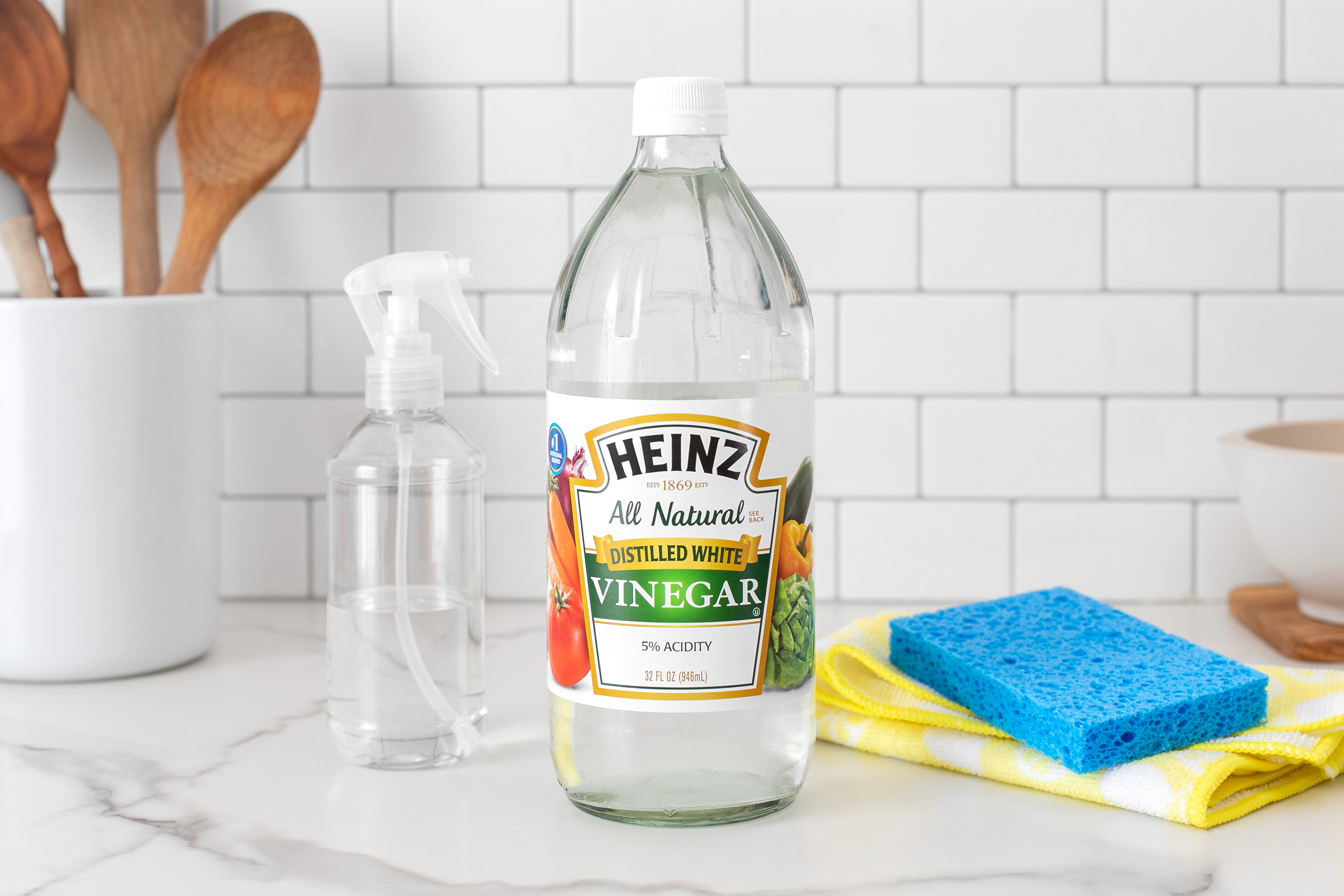
Cleaning with vinegar solutions has become increasingly popular among homeowners looking for an affordable, effective, and eco friendly alternative to chemical based cleaners. Distilled white vinegar, in particular, stands out as a powerful multi purpose cleaner that can tackle grime, odors, stains, and buildup throughout the home. It contains no harsh chemicals, costs significantly less than many commercial products, and works well when diluted properly.
However, vinegar is not safe for every surface. Because it is highly acidic, improper use can cause damage over time. Understanding where vinegar works best, how to dilute it correctly, and which areas to avoid is essential for safe and effective cleaning. This detailed guide explains everything you need to know about cleaning with vinegar solutions, including practical examples for every room in your home.
Why Distilled White Vinegar Is an Effective Cleaner
Distilled white vinegar contains acetic acid, which gives it a pH of about 2.4. This acidity allows vinegar to break down mineral deposits, dissolve grease, neutralize odors, and kill certain bacteria and mold. Unlike many store bought cleaners, vinegar does not leave behind toxic residues, making it a popular choice for households with children or pets.
Another major advantage is cost. Vinegar is inexpensive, widely available, and highly concentrated, meaning a single bottle can last for months when diluted for everyday cleaning.
Surfaces Where Vinegar Should Never Be Used
Despite its versatility, vinegar should not be used everywhere. Its acidic nature can permanently damage certain materials.
Natural Stone Surfaces
Never use vinegar on natural stone such as marble, granite, limestone, travertine, or slate. Even diluted vinegar can etch the surface, leaving dull spots and permanent damage. Manufacturers of stone countertops and tiles strongly warn against vinegar use on these materials.
Grout around stone tiles is also vulnerable, as vinegar can weaken and deteriorate it over time.
Sealed Hardwood Floors
Vinegar can strip or dull the protective finish on sealed hardwood floors. Repeated use may cause discoloration or leave the surface looking cloudy. If you choose to use vinegar on hardwood, always dilute it heavily and test it on a hidden area before cleaning the entire floor.
Egg Based Messes
Never clean raw egg spills with vinegar. The acid causes the proteins in the egg to coagulate, making the mess harder to remove. Instead, use cold water and a mild detergent.
Certain Appliances and Surfaces
Vinegar should also be avoided on cast iron, aluminum, waxed surfaces, and rubber seals inside some appliances, as prolonged exposure can cause corrosion or deterioration.
How to Dilute Vinegar for Cleaning
For most household cleaning tasks, vinegar should be diluted with water. A common and effective ratio is equal parts vinegar and water. This creates a gentle but powerful multi purpose cleaner suitable for many surfaces.
In some situations, full strength vinegar is more effective. According to cleaning experts and manufacturers such as Heinz, undiluted vinegar works best for removing:
-
Streaks from windows and mirrors
-
Stains from pots and pans, after soaking for about 30 minutes
-
Soapy film from glassware, by adding one cup to the bottom of a dishwasher
-
Stains from toilet bowls, by adding one cup and letting it sit for five minutes
Always rinse surfaces with water after using full strength vinegar to prevent lingering acidity.
How to Use Vinegar Effectively
Different cleaning tasks require different application methods.
A spray bottle works well for non stone countertops, sinks, faucets, and small bathroom or kitchen areas. For floors and larger surfaces, a bucket is more practical. Use one cup of vinegar per one gallon of warm water for general floor cleaning.
These tools are usually already in most cleaning supply cabinets, but they are essential for safe and efficient vinegar cleaning.
Where to Use Vinegar in the Home
Bathroom Cleaning with Vinegar
Vinegar excels at removing hard water deposits and soap scum in bathrooms.
To clean showerheads and faucets, fill a zip close bag with undiluted vinegar and secure it around the fixture using a rubber band or twist tie. Make sure the fixture is submerged in the vinegar and let it soak overnight. Rinse thoroughly in the morning.
For toilet bowls, soak paper towels in undiluted vinegar and press them around the bowl interior. Let them sit overnight to dissolve stains and mineral buildup, then scrub lightly and flush.
A diluted vinegar solution also removes soap residue from showers and bathtubs, provided the surface is not natural stone.
Kitchen Cleaning with Vinegar
In the kitchen, vinegar helps deodorize, degrease, and sanitize.
To clean a microwave, place a bowl containing half a cup of vinegar and one cup of water inside. Heat until it boils and steams the interior. Let it sit briefly, then wipe the surfaces clean with a sponge.
To deodorize a garbage disposal, pour one cup of undiluted vinegar down the drain, wait an hour, then flush with hot water.
Wood cutting boards can be sprayed with undiluted vinegar and wiped clean to reduce odors and bacteria. Allow them to air dry completely.
For coffee makers with mineral buildup, fill the reservoir with undiluted vinegar and run a full brew cycle. Follow with two cycles of clean water to rinse thoroughly.
Laundry Room Uses for Vinegar
Vinegar is also useful in the laundry room.
Clean your washing machine by running a hot water cycle with one cup of undiluted vinegar. This helps remove soap residue, mineral deposits, and odors.
To soften clothes naturally, add half a cup of undiluted vinegar to the rinse cycle. It helps reduce static, soften fabric, and decrease lint buildup without leaving a vinegar smell.
Other Useful Vinegar Applications Around the House
Vinegar has several additional household uses beyond cleaning.
Pest Control
Vinegar naturally deters ants. Spray undiluted vinegar at entry points such as doorways, windowsills, and baseboards. It removes scent trails and discourages ants from returning.
Weed Control
Undiluted vinegar can kill dandelions and other small weeds. Spray directly onto the leaves and near the base so it reaches the roots. This works best on sunny days and may require repeat applications.
Pet Training Aid
The strong smell of vinegar can discourage cats from climbing or scratching certain areas. Lightly spray problem spots, but always test fabrics first to avoid discoloration.
Safety Tips When Cleaning with Vinegar
Although vinegar is natural, it should still be used carefully. Never mix vinegar with bleach, as this creates toxic chlorine gas. Store vinegar solutions out of reach of children and label spray bottles clearly.
Always test vinegar on a small, hidden area before applying it to a new surface.
Final Thoughts on Cleaning with Vinegar Solutions
Cleaning with vinegar solutions offers a practical, affordable, and environmentally friendly way to maintain a clean home. When used correctly and on appropriate surfaces, distilled white vinegar can replace multiple commercial cleaners while reducing chemical exposure and household expenses.
By understanding where vinegar works best and where it should be avoided, you can confidently add this versatile cleaner to your household supplies and use it safely for years to come.


