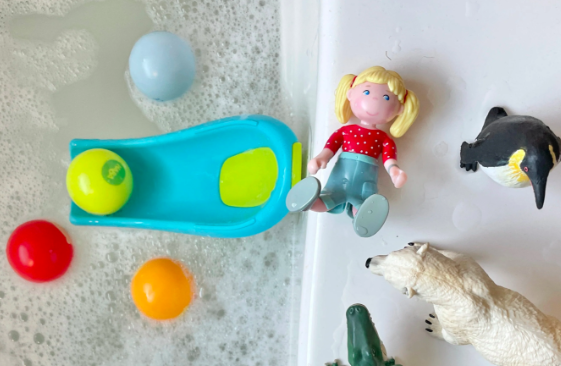
Bath time should be fun, but it can quickly become a health hazard if bath toys are not cleaned properly. Even when soap and water are present, bath toys left in a humid bathroom are susceptible to mold, mildew, and harmful bacteria. Studies show that nearly every bath toy tested had a “biofilm” of bacteria inside.
For parents, this can be a nightmare, especially when kids squirt water into their mouths from their favorite rubber ducky or bath blocks. Fortunately, with proper cleaning and maintenance, you can prevent mold, bacteria, and mildew from taking over your children’s toys. This guide will show you how to sanitize bath toys effectively and how to prevent future contamination.
Why Bath Toys Get Dirty
Bath toys often stay wet after each use, creating a perfect environment for germs to thrive. The most common culprits are:
-
Water retention inside toys: Squirting toys, rubber ducks, and water guns trap water inside, leading to mold growth.
-
Humid bathroom environment: Moisture in the air accelerates bacterial and fungal growth.
-
Infrequent cleaning: Toys that are not cleaned regularly develop biofilms, a sticky layer of bacteria and mold.
Understanding why bath toys get dirty is the first step in keeping them safe for your children. Regular cleaning and preventive measures can protect your kids from unnecessary health risks.
How to Eliminate Mold from Rubber Duckies and Bath Toys
Mold often hides inside your kid’s favorite rubber ducky, making it difficult to clean with just soap and water. Here are four proven methods to keep bath toys clean and safe:
1. Soak in Vinegar
Vinegar is a natural and effective cleaner. Its acetic acid helps break down grime and kills bacteria and mold. To clean bath toys with vinegar:
-
Fill a bucket or sink with pure vinegar.
-
Submerge the toys completely and let them soak for several hours.
-
For squirting toys, draw vinegar into the toy and let it sit inside before squirting it out.
This method is particularly useful for toys with small holes and crevices where mold can hide.
2. Boil the Toys
Boiling toys is a traditional method to kill germs. Here’s how to do it safely:
-
Bring a pot of water to a boil on the stove.
-
Place heat-safe toys into the water for a few minutes.
-
Remove with tongs and allow them to cool before giving them back to your child.
Note: Do not boil toys that contain water inside or that are made of soft plastic, as this may damage them. Boiling works best for hard plastic toys without internal water cavities.
3. Run Them Through the Dishwasher
If you want a modern, hassle-free cleaning method, use your dishwasher:
-
Place dishwasher-safe bath toys on the top rack.
-
Run a hot cycle to sanitize the toys.
-
The high temperature and water jets clean the exterior effectively.
This method is excellent for non-squirting toys and toys made of durable plastic. Always check the manufacturer’s instructions to ensure toys are dishwasher safe.
4. Wipe with Disinfectant
Disinfectant wipes are handy for a quick clean:
-
Only use wipes on toys that do not hold water.
-
Wipe thoroughly and allow the toys to air dry.
-
For rubber duckies or other water-holding toys, this method is insufficient for internal cleaning.
Preventing Mold and Bacteria in Bath Toys
The best way to keep bath toys safe is to prevent contamination before it starts. Follow these preventive measures:
Clean Regularly
Set a weekly cleaning schedule for bath toys. Regular cleaning prevents biofilm buildup and keeps germs at bay. A consistent routine will also make each cleaning session faster and easier.
Seal Water Holes
The tiny holes in toys that allow water inside are prime spots for mold growth. Consider sealing these holes with hot glue or another safe adhesive. This prevents water from getting trapped, keeping the interior dry and mold-free.
Allow Toys to Dry Completely
Mold thrives in damp environments. After each bath:
-
Drain all water from the toys.
-
Place toys on a drying rack or the edge of the tub.
-
Leave the bathroom exhaust fan on for an additional 15 minutes.
-
Let toys dry completely overnight before storing them.
Proper drying is crucial in preventing mold and bacterial growth.
Store Toys in a Dry Place
Avoid storing bath toys near the tub, where they can get wet repeatedly. Instead, use a storage bin or closet where toys remain dry until the next bath. A dry storage area reduces the chances of bacteria and mold forming between uses.
Additional Tips for Keeping Bath Toys Safe
-
Rotate toys: Regularly rotate the toys used in the bath to reduce wear and tear and prevent biofilm buildup.
-
Inspect toys for cracks: Damaged toys can harbor more bacteria. Replace toys that are cracked or broken.
-
Avoid harsh chemicals: Stick to natural cleaners like vinegar or dishwashing, as harsh chemicals can be harmful to children.
-
Encourage independent cleaning: If your child is old enough, make cleaning a fun part of bath time by letting them help wipe or rinse toys.
The Importance of Regular Bath Toy Cleaning
Ignoring bath toy hygiene can lead to health issues like skin infections, gastrointestinal problems, and respiratory irritation. Regular cleaning and preventive measures ensure bath time remains a safe and enjoyable experience.
By following these tips, parents can confidently let their kids enjoy their rubber duckies, blocks, and other bath toys without worry. Maintaining clean bath toys is simple when approached with consistency and care.


