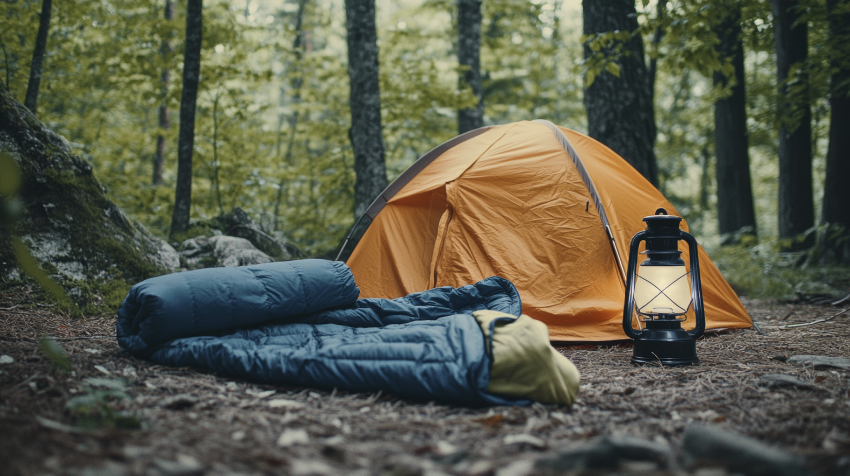
Camping is an incredible way to reconnect with nature, but it often leaves your gear covered in dirt, mud, and other outdoor elements. After an overnight trip in the woods, your tent, sleeping bag, hiking boots, and backpack likely need a thorough cleaning. Properly cleaning and maintaining your camping gear not only extends its lifespan but also ensures it remains hygienic, odor-free, and ready for your next adventure. In this guide, we’ll provide a comprehensive step-by-step approach on how to clean camping gear effectively, keeping everything fresh, functional, and long-lasting.
List of Gear You Should Clean After a Camping Trip
After returning home from the wilderness, the following items usually require cleaning and drying:
-
Tent: Dirt, sand, and insects often accumulate in tents during camping trips.
-
Sleeping Bag: Oils, sweat, and outdoor debris can compromise comfort and insulation.
-
Cookware: Any items used for cooking or storing food need thorough washing.
-
Clothes and Towels: Clothing and towels absorb dirt, sweat, and sometimes food spills.
-
Hiking Boots: Mud, water, and grit can damage the material if not cleaned promptly.
-
Hiking Pack: Backpacks pick up dirt, leaves, and other trail debris.
Cleaning each piece of gear after every trip prevents long-term wear, bacterial buildup, and unpleasant odors.
How to Clean a Tent by Hand
For light cleaning, simply setting up your tent in your yard and allowing it to air-dry may be enough. Once dry, sweep or vacuum dirt, sand, and any insects. However, if your tent is heavily soiled, handwashing is necessary.
Materials Needed:
-
Large tub or laundry sink
-
Non-abrasive sponge or cloth
-
Mild dish soap
-
Outdoor gear cleaner
Step-by-Step Guide:
-
Remove Loose Debris: Open all doors and vents, shaking out leaves, dirt, and sand. Turn the tent inside out and repeat.
-
Spot Clean Stains: Use a sponge or cloth with dish soap to clean heavily soiled areas, both inside and out.
-
Prepare Cleaning Solution: Fill your tub with cool to lukewarm water and add the gear cleaner following the instructions on the label.
-
Soak the Tent: Keep the tent inside out and doors open. Submerge it completely and soak for the recommended duration.
-
Rinse Thoroughly: Drain the tub, refill with clean water, and rinse. Repeat until all soap is removed.
-
Air Dry: Set up your tent outdoors or indoors on a tarp if raining. Dry completely in a shaded area to prevent sun damage.
Tip: Always clean any tarps used during the trip, as they often collect dirt, sticks, and bacteria.
Can You Wash a Tent in a Washing Machine?
No. Tents are not designed for washing machines or dryers. The agitation can tear or stretch the fabric, ruining the waterproofing and structural integrity. Stick to handwashing and air-drying for the safest results.
How to Wash a Sleeping Bag
Sleeping bags can accumulate sweat, oils, and dirt, especially around the hood and collar. Proper cleaning maintains loft and warmth.
Hand Cleaning:
-
Create a paste with gentle dish soap and water.
-
Scrub visible stains with a toothbrush, avoiding soaking the inner fill.
-
Wash the hood and collar carefully to remove oils and debris.
-
Air-dry the bag fully before storage.
Machine Cleaning:
When a full wash is needed, check the manufacturer’s instructions. Most sleeping bags are machine washable:
-
Use a front-loading washer with no center agitator.
-
Wash on a gentle cycle with a specialized outdoor gear cleaner.
-
Run an extra rinse cycle to ensure no residue remains.
-
Wring out excess water gently, then air-dry or use a low-heat dryer.
Pro Tip: Regular spot cleaning is preferable to frequent full washes, which can reduce loft over time.
How to Clean Hiking Boots
Hiking boots endure mud, sand, and water, making proper cleaning essential for durability and performance.
Step-by-Step Cleaning:
-
Remove laces to access all areas.
-
Knock boots together outside to remove clumps of dirt.
-
Brush off loose dirt with a clean cloth. Rinse stubborn mud with water.
-
Apply a boot cleaner suitable for the material, scrubbing with a brush or toothbrush.
-
Clean the outsoles thoroughly, removing all grit.
-
Check waterproofing; reapply if water no longer beads on the surface.
-
Remove insoles to air-dry separately. Avoid direct heat, using newspaper or a fan instead.
-
Use leather conditioner for full-grain leather boots to prevent cracking.
Regular boot maintenance ensures long-lasting comfort and performance on every trail.
How to Clean a Hiking Backpack
Your backpack carries your essentials and often comes into contact with dirt and debris. Keeping it clean enhances hygiene and longevity.
Cleaning Steps:
-
Empty every pocket completely. Check for damp towels, crumbs, or leftover snacks.
-
Shake the pack upside down to remove sand, leaves, and debris.
-
Wipe the interior with a damp cloth or sponge.
-
Spot-clean exterior dirt with lukewarm water, mild soap, and a soft brush. Don’t forget the underside, which contacts the ground most often.
-
Rinse thoroughly with cool water.
-
Check waterproofing; reapply spray if necessary after drying.
Tip: Frequent cleaning prevents odor buildup and ensures your pack remains lightweight and ready for every adventure.
Additional Tips for Maintaining Camping Gear
-
Dry Everything Thoroughly: Moisture encourages mold and mildew growth.
-
Use Gear-Specific Cleaners: Avoid harsh detergents that damage coatings.
-
Store Properly: Keep tents, sleeping bags, and boots in a dry, ventilated area.
-
Inspect Gear Regularly: Check zippers, seams, and straps for damage and repair promptly.
By maintaining your camping equipment, you not only extend its life but also enhance the comfort, safety, and enjoyment of every trip.


