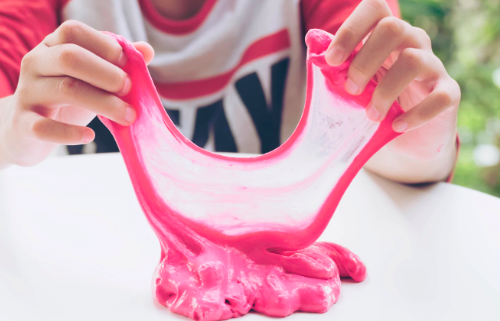
Slime: the tacky, sticky, sometimes DIY, sometimes store-bought play substance that children adore and parents… well, often tolerate. It’s colorful, fun, and engaging for kids, but messy by design. Even with dedicated play areas or slime trays, it inevitably finds its way onto tables, floors, couches, carpets, and clothes.
While kids can simply wash their hands after playtime, cleaning slime off household surfaces requires a bit more know-how. Luckily, with the right tools and techniques, you can remove slime efficiently without damaging your furniture or fabrics. This guide covers everything you need to know about removing kids’ slime from various surfaces in your home.
Cleaning Kids' Slime from Hard Surfaces
Hard surfaces are the easiest to clean when it comes to slime. Most slimes scrape off fairly easily, leaving only minimal residue. However, wet or dried slime can sometimes stick stubbornly, requiring a bit of elbow grease and a simple DIY cleaning solution.
Steps to Remove Slime from Hard Surfaces:
-
Scrape Off Excess Slime: Use a plastic scraper, a credit card, or even a spoon to lift the bulk of the slime. Avoid metal tools to prevent scratching.
-
Use Soap and Water: For residual slime, mix a few drops of mild dish soap with warm water. Dampen a clean cloth with the solution and wipe the affected area. Repeat as needed until the surface is clean.
-
Baking Soda Paste for Tough Residue: If the slime is stubborn, create a thick paste using baking soda and water. Spread it over the slime stain and let it dry. Once dry, brush or wipe it away with a paper towel. This method is effective on tables, countertops, and other hard surfaces without leaving damage.
Pro Tip: Always test a small hidden area first when using any cleaning solution to ensure it doesn’t affect the surface finish.
How to Clean Play Slime Off Clothes
Clothing can be a nightmare when it comes to slime. Store-bought slime often contains dye that can stain, while DIY slimes may leave a sticky residue. However, with proper pretreatment and washing techniques, most slime can be removed completely.
Step-by-Step Clothing Slime Removal:
-
Scrape Excess Slime: Use a butter knife or spoon to remove as much slime as possible. Avoid rubbing it in.
-
Freeze the Fabric: Place the clothing in a freezer for 10-15 minutes. This hardens any remaining slime and makes it easier to scrape off.
-
Pretreat the Stain: Apply liquid detergent directly to the stain and let it sit for 10 minutes. If the slime is dried, soak the fabric in distilled white vinegar for five minutes before pretreating.
-
Hot Water Soak: Check the care tag first. If the fabric allows, soak in hot water for 30 minutes.
-
Wash Normally: After pretreatment and soaking, wash the clothing according to its care instructions and dry as usual.
Extra Tip: For colorful slime stains, using a laundry stain remover before washing can prevent permanent discoloration.
How to Clean Slime Out of Carpet
Carpets are often the most challenging surfaces for slime removal due to fibers trapping sticky residues. However, white vinegar and careful scraping can make the process surprisingly straightforward.
Carpet Slime Removal Process:
-
Remove Excess Slime: Use a spoon or your fingers to gently lift as much slime as possible without pushing it deeper into the carpet.
-
Prepare a Cleaning Solution: Mix two parts distilled white vinegar with one part water in a spray bottle.
-
Apply Solution: Spray the vinegar solution generously on the remaining slime residue.
-
Peel and Scrape: Use your fingers to peel away the loosened slime. Repeat the spraying and scraping if necessary.
-
Scrub Gently: For deep-set slime, use a soft brush to work the vinegar solution into the fibers.
-
Vacuum: Once most slime is removed, vacuum the area to pick up small remnants.
Additional Tips:
-
For dyed slime, rubbing alcohol or a dedicated carpet stain remover may reduce colorful stains.
-
Always test cleaning solutions on a hidden carpet area to ensure colorfastness.
How to Clean Kids' Play Slime Off the Couch
Upholstery can be delicate, and slime on couches can feel catastrophic. However, careful scraping, freezing, and gentle cleaning solutions can save your furniture.
Couch Slime Cleaning Steps:
-
Remove Excess Slime: Gently peel or scrape off as much slime as possible without scrubbing.
-
Freeze for Microfiber or Suede: Place a bag of ice cubes over remaining slime for 15 minutes to harden it. Scrape again carefully to prevent pushing slime deeper into fibers.
-
Vinegar Solution: Mix two parts distilled white vinegar and one part water in a spray bottle. Spray on the stain and let it soak for at least five minutes.
-
Gently Work Residue Out: Use a soft brush for standard upholstery or a clean damp cloth for microfiber, working against the grain of the fabric.
-
Rinse and Dry: Wipe the cleaned spot with a fresh damp cloth to remove vinegar residue, then pat dry with a towel and let it air-dry completely.
Extra Tip: For colorful slimes, rubbing alcohol or a laundry stain remover may help prevent permanent staining.
Additional Tips for Slime Clean-Up Around the House
-
Contain Play: Use trays, mats, or newspaper to prevent slime from spreading.
-
Quick Action: The sooner you clean slime, the easier it is to remove. Dried slime is tougher but still manageable with vinegar or freezer techniques.
-
Test First: Always test any cleaner or solution on a hidden area, especially on delicate fabrics or dyed surfaces.
-
Avoid Heat on Slime: Never use hot water on slime initially, as it can melt and spread the residue before you remove it.
With these techniques, you can keep your home safe from slime disasters while letting kids enjoy their colorful, sticky creations. Cleaning up doesn’t have to be stressful, and a few household items like vinegar, baking soda, and ice cubes can make the process simple and effective.


