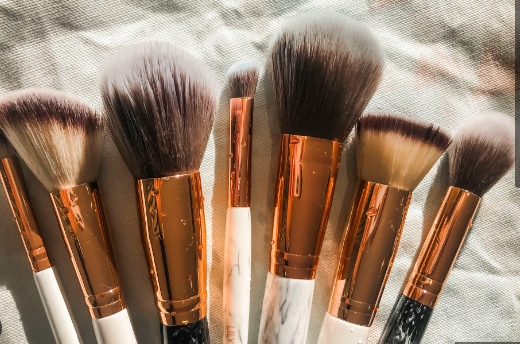
Have you ever gone weeks, months, or even years without washing your face? Probably not. So why let your makeup brushes go that long without a thorough cleaning? Makeup brushes touch your face as often as your hands do, making them a hotspot for dirt, oil, bacteria, and dead skin cells. Over time, these contaminants can harden bristles, reduce brush performance, and even cause breakouts.
Cleaning your brushes regularly is essential for maintaining skin health and keeping your makeup application smooth and flawless. In this guide, we will show you how to clean makeup brushes correctly so they remain soft, hygienic, and long-lasting.
Why Cleaning Your Makeup Brushes Matters
Makeup brushes are more than just tools; they are collectors of germs and dirt. Using unclean brushes can lead to:
-
Acne and breakouts: Bacteria and oil trapped in bristles can transfer to your skin.
-
Skin irritation: Old makeup residue can clog pores and irritate sensitive skin.
-
Reduced brush lifespan: Hardened bristles from accumulated product can ruin brushes over time.
Experts recommend cleaning your brushes at least once every two weeks, though some prefer a weekly routine for brushes used with liquid or cream products.
Types of Makeup Brushes and How Often to Clean Them
Different brushes pick up different amounts of product and bacteria. Here’s a breakdown of brush types and cleaning frequency:
1. Foundation Brushes
These brushes come in direct contact with liquid or cream products. Clean them after every use or at least twice a week to prevent bacterial buildup.
2. Powder and Blush Brushes
Powder brushes pick up less bacteria but still accumulate product. Clean them every two weeks to maintain softness and color accuracy.
3. Eye Brushes
Eye brushes are smaller and can trap makeup easily. Clean them once a week, especially if used with liquid eyeliner or eyeshadow.
4. Lip Brushes
Lip brushes can harbor bacteria from saliva. Clean after every use with soap and water or a sanitizing solution.
What You’ll Need to Clean Your Makeup Brushes
Before you begin, gather the following items:
-
Cloth or paper towel – for drying brushes
-
Baby shampoo or unscented (organic) bar soap – gentle on bristles
-
Faucet with warm water – ideal temperature prevents bristle damage
-
Optional: Rubbing alcohol and conditioner – for extra bacteria removal and softness
Step-by-Step Guide to Washing Your Makeup Brushes
Follow these steps to clean your brushes safely and effectively:
Step 1: Wet Your Brushes Gently
Turn your faucet to a light stream of warm water. Avoid using hot water, which can weaken bristles. Wet each brush individually, keeping the handle and base as dry as possible to prevent shedding.
Step 2: Lather with Soap
Apply baby shampoo or your organic bar soap to the bristles. Massage gently, working up a thick lather. Be careful not to pull too hard on the bristles, as this can damage the brush.
Step 3: Rinse Thoroughly
Rinse each brush under the warm water. Make sure all soap is removed—residual soap can make bristles stiff and brittle. If the water appears dirty, repeat the lather and rinse process.
Step 4: Squeeze Out Excess Water
Gently squeeze the bristles to remove water, reshaping them as you go. Never twist or pull aggressively, as this can break the bristles.
Step 5: Air Dry
Lay your brushes on a clean cloth or paper towel and allow them to air dry for six to eight hours. Avoid using a blow dryer, as heat can permanently damage the brush.
Pro Tips for Super Clean and Soft Brushes
For extra hygiene and softness:
-
Disinfect with Rubbing Alcohol – Lightly dampen a paper towel with rubbing alcohol and wipe the base and metal ferrule of the brushes. This eliminates lingering bacteria and keeps handles looking fresh.
-
Condition Your Bristles – If bristles feel stiff after washing, gently lather them with a small amount of conditioner, rinse, and air dry again. Your brushes will feel silky and soft.
-
Routine Maintenance – Make brush cleaning a routine. Consistency ensures your brushes stay hygienic and last longer, while keeping your skin healthy.
Homemade Makeup Brush Cleaning Solutions
If you don’t have baby shampoo or bar soap, here are safe DIY alternatives:
-
Olive Oil and Dish Soap Mix: Use 1 part olive oil and 2 parts gentle dish soap to break down heavy makeup residue while conditioning bristles.
-
Vinegar Solution: Mix 1 part white vinegar with 2 parts water for a natural antibacterial soak. Rinse thoroughly afterward.
-
Micellar Water: Works well for lightly soiled brushes, especially for quick weekly cleanings.
Common Mistakes to Avoid
-
Using harsh detergents: Avoid strong soaps or dishwashing liquids. They can strip natural oils and ruin bristles.
-
Submerging brush handles: This can loosen glue and cause bristles to shed.
-
Skipping regular cleaning: Waiting too long allows bacteria to multiply, increasing the risk of skin problems.
-
Using hot water: It can warp bristles and loosen the handle.
How to Store Your Brushes to Stay Clean Longer
Proper storage reduces dust, bacteria, and damage:
-
Brush Holders: Keep brushes upright in a clean holder with bristles facing up.
-
Brush Guards: Protect bristles with mesh brush guards for travel or storage.
-
Drawer or Makeup Bag: Ensure brushes are stored separately from makeup powders and liquids.
Benefits of Clean Makeup Brushes
Maintaining clean brushes has more than cosmetic benefits:
-
Healthier Skin: Reduces acne, irritation, and bacterial infections.
-
Better Makeup Application: Soft, clean bristles apply makeup more smoothly and evenly.
-
Longevity of Brushes: Properly cleaned brushes last years, saving you money.
Quick Maintenance Between Washes
If you’re short on time, keep your brushes clean with these tips:
-
Brush Cleansing Sprays: Lightly spray and wipe off after daily use.
-
Sanitizing Wipes: Great for quick touch-ups of eye or lip brushes.
-
Rotate Brushes: Use multiple brushes for similar products to prevent overuse and reduce frequent washing.
Conclusion
Clean makeup brushes are essential for healthy skin, flawless makeup, and long-lasting tools. With simple supplies like baby shampoo, warm water, and optional disinfectants, you can keep your brushes hygienic and soft. Make cleaning your brushes a habit—your skin, makeup, and brushes will thank you.
Take a few minutes today to clean your brushes. Enjoy smoother makeup application, bacteria-free tools, and soft bristles every time you apply your favorite products.


