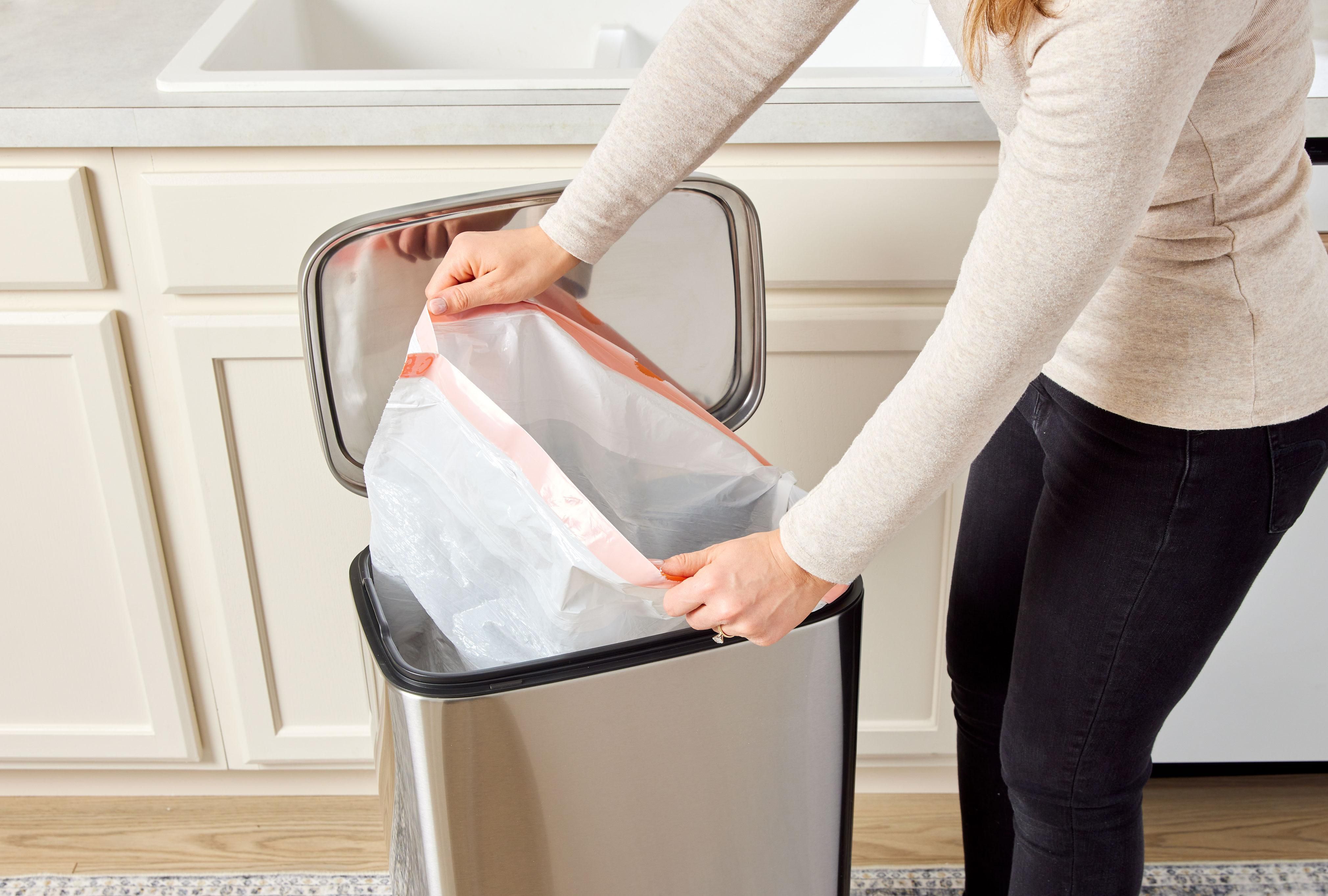
When you clean the kitchen, what is usually on your checklist? Wipe the counters, clean the stovetop, scrub the sink, sweep and mop the floors, and take out the trash. Everything looks spotless, yet something still smells bad.
If a foul odor lingers even after the trash is taken out, the problem is likely hiding in plain sight. The trash can itself is often the source of persistent kitchen odors. Learning how to destink your kitchen trash can is a simple but essential cleaning task that many people overlook. Once you add it to your routine, your kitchen will smell fresher and feel more hygienic.
Why Your Kitchen Trash Can Smells Even After Emptying It
Taking out the trash removes visible waste, but it does not eliminate the bacteria, residue, and moisture left behind. Over time, food scraps, liquids, and packaging leaks settle into the bottom and sides of the can. These leftovers create the perfect environment for odor-causing bacteria to grow.
Even trash bags that do not appear torn can leak microscopic amounts of liquid. Warm kitchen temperatures only make the problem worse by accelerating bacterial activity. Without regular deep cleaning, unpleasant smells will continue to return no matter how often you empty the bin.
Supplies to Clean a Kitchen Trash Can
Before you begin, gather everything you need. Having the right supplies makes the process faster and more effective.
Basic Cleaning Supplies
-
Bathtub or large utility sink
-
Dish soap
-
Paper towels or cleaning rags
-
Garden hose (optional)
-
New toilet brush or long-handled scrub brush
-
Disinfectant spray or diluted bleach solution
Using a long-handled brush allows you to reach the bottom of the trash can without straining your back or hands.
How to Remove Trash Can Odors Step by Step
Follow this five-step process to eliminate stubborn trash can odors completely.
Step 1: Wash the Trash Can with Hot Soapy Water
Place the trash can in your bathtub or large sink. Squirt dish soap into the tub and fill it part-way with hot water. Submerge the trash can and swish it around so the soapy water coats every surface, inside and out. Let the can soak for about five minutes to loosen grime and residue.
Step 2: Rinse Thoroughly
Drain the tub and rinse the trash can with clean water. If weather permits, take the can outside and rinse it using a garden hose. Pat the exterior dry first so it does not drip as you carry it. If outdoor rinsing is not an option, the bathtub sprayer works just as well.
Step 3: Disinfect the Interior
Spray the inside of the trash can with a disinfectant cleaner or apply a diluted bleach solution made from one eighth cup of bleach and one quart of hot water. Use a new toilet brush or long-handled scrub brush to scrub the interior thoroughly, paying special attention to the bottom and corners. Let the disinfectant sit for five minutes to kill odor-causing bacteria.
Step 4: Rinse Again
Rinse the trash can thoroughly to remove all cleaning residue. Make sure no disinfectant remains, as leftover chemicals can cause irritation or damage over time.
Step 5: Allow the Trash Can to Dry Completely
Use paper towels or rags to remove excess water, then allow the trash can to air-dry fully. If possible, let it dry outdoors in the sun. Complete drying prevents moisture from creating new odors.
Important Cleaning Note
If you use a plastic trash can inside a stainless steel shell, clean both components. Odors often cling to the outer shell, especially around the rim and lid.
Natural Ways to Keep Your Trash Can Smelling Fresh
Once your trash can is clean, maintaining freshness becomes much easier. These natural deodorizing methods help prevent odors from returning.
Baking Soda for Odor Control
Sprinkle a small amount of baking soda at the bottom of the trash can before inserting a new bag. Baking soda absorbs odors and moisture effectively.
Vinegar for Weekly Maintenance
Wipe the interior of the trash can with white vinegar once a week. Vinegar neutralizes bacteria and helps prevent buildup.
Citrus Peels for a Fresh Scent
Place lemon or orange peels at the bottom of the trash bag. Citrus oils provide a mild, natural fragrance while helping mask unpleasant smells.
Dryer Sheets as Deodorizers
Placing a dryer sheet underneath the trash bag can help absorb odors and leave a clean scent behind.
How Often Should You Clean Your Kitchen Trash Can
For most households, deep-cleaning the trash can once every two to four weeks is sufficient. If you cook frequently, dispose of food scraps often, or live in a warm climate, weekly cleaning may be necessary.
Spills or leaks should always be cleaned immediately. The faster you address them, the less likely odors will develop.
Common Mistakes That Make Trash Can Odors Worse
Avoid these common cleaning mistakes to keep your kitchen smelling fresh.
Skipping the Lid and Rim
The lid and rim trap odors more than any other area. Always scrub these parts thoroughly.
Using Only Air Fresheners
Spraying air freshener masks odors temporarily but does not remove bacteria. Deep cleaning is the only lasting solution.
Not Letting the Can Dry Fully
Moisture encourages bacterial growth. Always allow the trash can to dry completely before adding a new liner.
Extra Help with Household Chores
Now that you know how to destink your kitchen trash can, you may start noticing other overlooked cleaning tasks around your home. Between work, family, and daily responsibilities, it is hard to deep-clean everything regularly.
Many people find that getting a little outside help allows them to enjoy a clean, organized home without sacrificing free time. Whether you handle chores yourself or get assistance, keeping up with small tasks like trash can cleaning makes a noticeable difference in your living space.
Final Thoughts on Keeping Your Kitchen Odor-Free
A clean kitchen is not complete until the trash can is addressed. Regular cleaning, proper disinfecting, and simple deodorizing habits can eliminate unpleasant smells permanently. Once you add this task to your routine, your kitchen will feel fresher, cleaner, and more inviting every day.


