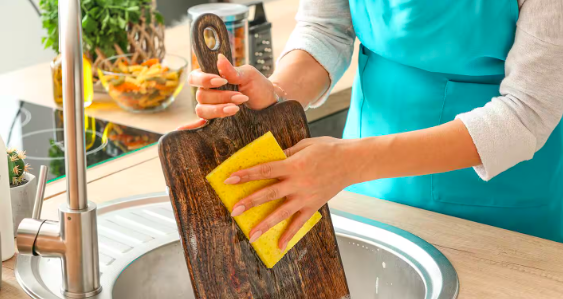
A wooden cutting board is a classic and versatile kitchen essential used for chopping, slicing, and even serving food. However, because wood is porous, it can easily trap moisture, food particles, and bacteria if not cleaned properly. Learning how to disinfect a wood cutting board correctly is essential for food safety, preventing cross contamination, and extending the life of your board.
With the right cleaning routine and proper care techniques, your wooden cutting board can remain sanitary, odor-free, and visually appealing for years. This detailed guide walks you through proven, time-tested methods to clean, disinfect, deodorize, and maintain a wooden cutting board effectively.
Why Proper Wooden Cutting Board Cleaning Matters
Wood cutting boards often develop small grooves and knife marks over time. These crevices can harbor bacteria from raw foods, especially meat, poultry, and seafood. Inadequate cleaning may lead to bacterial growth that increases the risk of foodborne illness.
Regular cleaning and disinfecting help to:
-
Reduce harmful bacteria
-
Prevent food odors and stains
-
Avoid cross-contamination.
-
Preserve the integrity of the wood
How to Clean a Wood Cutting Board After Everyday Use
The way you clean your cutting board depends on how it was used. Boards used only for fruits, vegetables, bread, or nuts require less intensive cleaning than those used for raw meat.
Cleaning a Cutting Board Used for Fruits, Vegetables, Nuts, or Bread
-
Place the wooden cutting board in a clean, empty sink.
-
Rinse the surface with hot tap water to remove loose food particles.
-
Use a clean sponge or soft brush with mild dish detergent to scrub the surface gently.
-
Rinse thoroughly under hot water until all soap and residue are removed.
-
Dry the board with a clean towel.
-
Stand the board upright on a dry dish towel to allow proper airflow.
-
Let it air dry completely for several hours or overnight before reuse.
How to Disinfect a Wood Cutting Board After Raw Meat
Raw meat poses a higher risk of bacterial contamination due to juices and proteins that can soak into the wood. While silicone or plastic boards are recommended for meat, many households still use wooden boards. If so, immediate and thorough cleaning is critical.
Disinfecting Steps for Raw Meat Preparation
-
Clean the board first using hot water and dish soap as described above.
-
Soak a clean white cloth in pure white vinegar or three percent hydrogen peroxide.
-
Wipe the entire surface of the board, ensuring all areas are covered.
-
Allow the solution to sit for several minutes to disinfect effectively.
-
Rinse the board thoroughly with hot, clean water.
-
Dry with a clean towel and stand upright to air dry completely.
Removing Stains and Odors Naturally
If odors or stains remain after disinfecting, use this natural deodorizing method:
-
Sprinkle kosher salt or baking soda evenly over the board.
-
Cut a lemon in half and rub the cut side over the surface using firm pressure.
-
Rinse thoroughly with hot water and dry as usual.
This method helps neutralize odors while gently scrubbing the wood fibers.
Best Practices to Prevent Cross-Contamination
-
Use separate cutting boards for raw meat and produce whenever possible.
-
Always prepare vegetables and fruits before cutting raw meat if using one board.
-
Rinse the board quickly between food types to reduce bacterial spread.
Wood Cutting Board Care and Maintenance
Conditioning Your Wooden Cutting Board
To keep your board from drying out or cracking, apply food grade mineral oil regularly.
-
Ensure the board is completely clean and dry.
-
Apply a small amount of mineral oil using a soft cloth.
-
Rub the oil evenly over the entire surface and edges.
-
Allow it to absorb for 24 hours.
-
Wipe off any excess oil before use.
Oiling helps seal the wood, repel moisture, and extend the life of the board.
Wood Cutting Board Cleaning Don’ts
-
Never soak a wooden cutting board in water, as it can warp or crack.
-
Never place a wood cutting board in the dishwasher.
-
Do not allow raw meat juices to sit on the surface for extended periods.
Final Thoughts on Wooden Cutting Board Hygiene
Knowing how to disinfect a wood cutting board properly protects your health and preserves an essential kitchen tool. With consistent cleaning, natural disinfectants, and routine maintenance, your wooden cutting board can remain safe, functional, and attractive for daily use.


