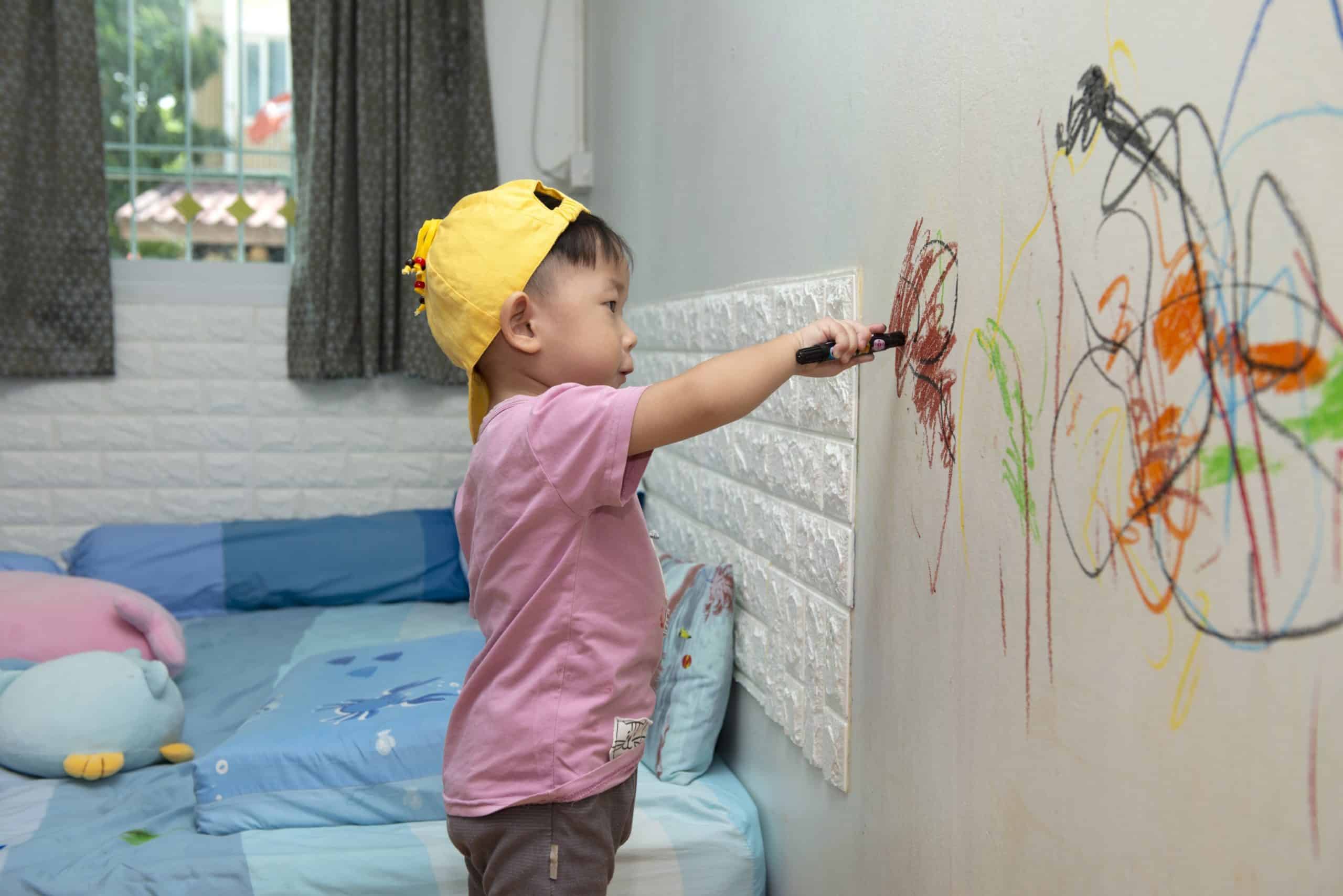
Having an artistic child can be a lot of fun, especially when you have plenty of their artwork displayed on the fridge or framed around the house. The challenge arises, however, when kids decide to skip the picture frames and use your walls as their personal canvas. Whether it’s crayon, pencil, marker, or paint, these creative mistakes can be frustrating to clean. The good news is that with the right techniques, you can restore your walls to their original condition without damaging the paint.
In this guide, we’ll explore how to get crayon and other artistic stains off walls, including pencil marks, permanent markers, acrylic paint, and even dry erase markers. We’ll provide step-by-step instructions, practical tips, and recommended cleaning solutions so you can handle any wall mishap with confidence.
How to Get Crayon Off Walls
Crayon marks are one of the most common artistic mishaps in homes with kids. Because crayons are made of wax, removing them requires a gentle yet effective approach to avoid damaging the paint.
Step-by-Step Crayon Removal:
-
Scrape off excess wax: Use a plastic scraper or butter knife to gently remove as much crayon as possible. Avoid metal utensils that could scratch the paint.
-
Use heat if necessary: If the wax is stubborn, a hairdryer can help. Set it to the highest heat and lowest fan setting. Hold it a few inches from the wall, allowing the wax to soften, and then wipe it away with a paper towel.
-
Clean with soapy water: Mix warm water with a few drops of liquid dish soap. Dip a soft sponge or cloth into the solution and gently scrub the remaining stain in circular motions.
-
Rinse the area: Use a clean damp cloth to remove any soap residue. Repeat as needed until the stain is gone.
-
Dry thoroughly: Pat the wall dry with a clean cloth or paper towel to prevent water marks.
Pro Tip: For tougher crayon marks, you can also try a small amount of baking soda on a damp cloth. Rub gently to avoid scrubbing off paint.
How to Get Pencil Off the Walls
Pencil marks may seem easier to remove than crayons, but sometimes erasers alone aren’t enough. Fortunately, simple household solutions can restore your walls.
Pencil Removal Method:
-
Try erasing first: Use a soft rubber or gum eraser to gently remove the pencil marks. Avoid excessive pressure to prevent damaging the paint.
-
Use soapy water: Mix warm water with a few drops of liquid dish soap. Dip a clean cloth into the solution and wipe the pencil marks in gentle, circular motions.
-
Apply toothpaste for stubborn marks: If some marks remain, dab a small amount of white toothpaste onto a cloth and rub over the stain gently. Avoid gel or colored toothpaste to prevent staining.
-
Rinse and dry: Wipe the wall with a clean, damp cloth and let it air dry.
Note: Always test toothpaste on a hidden area first to ensure it won’t discolor your paint.
How to Get Permanent Marker Off Your Walls
Permanent markers are notorious for being difficult to remove. The secret to safely eliminating these stains is 70% isopropyl (rubbing) alcohol, which effectively dissolves the ink without harming most paint finishes.
Permanent Marker Removal Steps:
-
Dampen a cloth or cotton ball: Apply a small amount of rubbing alcohol.
-
Gently blot the stain: Avoid scrubbing, as it may damage the paint or spread the ink.
-
Clean with soapy water: After the marker lifts, wipe the area with warm, soapy water to remove any residue.
-
Dry thoroughly: Use a clean cloth to blot the wall dry.
Tip: Always test rubbing alcohol on a hidden wall section first, as some paints or wallpapers may react poorly.
How to Remove Acrylic Paint from Walls
Acrylic paint can be tricky, especially if it has dried. Quick action is key, but even older stains can be treated with the right method.
Acrylic Paint Removal Method:
-
Start with soapy water: Mix warm water and liquid dish soap. Dampen a soft cloth and gently rub over fresh paint stains.
-
Scrape gently for thicker layers: Use a plastic scraper or butter knife to lift excess paint carefully.
-
Use warm vinegar for stubborn stains: Heat white vinegar slightly (not boiling). Apply it to the paint stain with a cloth or sponge and gently scrub.
-
Rinse and dry: Wipe the wall with a damp cloth and then dry with a towel to prevent water marks.
Pro Tip: Avoid using harsh chemicals or abrasive scrubbers, as they can remove the wall’s paint layer along with the stain.
How to Get Dry Erase Marker Off Walls
Dry erase markers aren’t meant for walls, but accidents happen. Like permanent markers, rubbing alcohol is the best solution.
Dry Erase Marker Cleaning Steps:
-
Dampen a cloth or cotton ball: Apply 70% isopropyl alcohol.
-
Blot, don’t rub: Use up-and-down motions to lift the stain without removing paint.
-
Clean with soapy water: Wipe away any remaining alcohol or marker residue.
-
Dry the wall: Blot with a clean cloth or paper towel.
Extra Tip: For lightly stained areas, a magic eraser can also work effectively, but always test a small, inconspicuous section first.
Additional Tips for Keeping Walls Clean
-
Encourage art zones: Set up an art corner with paper, canvases, or a chalkboard wall to minimize accidental wall art.
-
Act quickly: The sooner you clean stains, the easier they are to remove. Fresh crayon, paint, or marker stains come off much more easily than dried ones.
-
Test cleaning solutions: Always check a small, hidden wall area to ensure your paint or wallpaper isn’t damaged by cleaning agents.
-
Use protective coatings: Consider applying washable or semi-gloss paint in kids’ play areas for easier cleaning.
Conclusion
With these strategies, you can confidently tackle any artistic mishap on your walls. From crayon scribbles to pencil sketches and permanent marker disasters, a few simple household tools and techniques can restore your walls and keep your home looking clean and organized.


