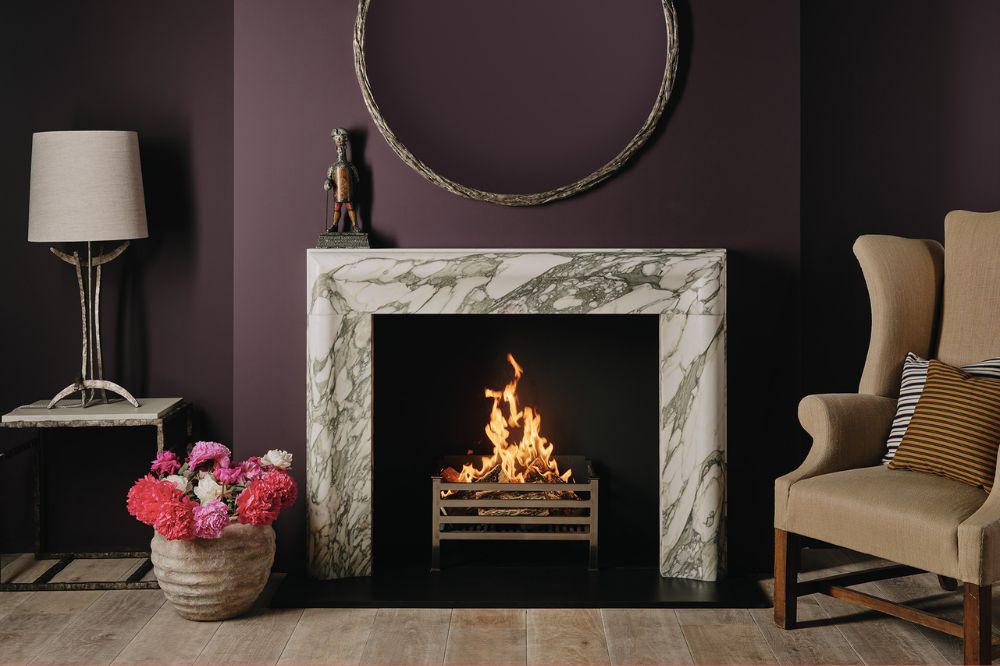
A fireplace adds warmth, charm, and a cozy ambiance to any home. However, many homeowners love the aesthetic of a fireplace but dread the cleanup process. Keeping your fireplace clean is not just about appearance—it ensures a safer, more efficient burn and helps prevent dangerous chimney fires. Surprisingly, regular maintenance can be straightforward and manageable when done correctly. This guide will walk you through the best methods for cleaning wood-burning, gas, and electric fireplaces, as well as tips for maintaining the glass, brick, and overall fireplace safety.
Why Fireplace Cleaning Is Important
A clean fireplace is essential for both efficiency and safety. Over time, soot, ash, and debris accumulate in the fireplace and chimney. In wood-burning fireplaces, creosote buildup can become highly flammable, increasing the risk of chimney fires. For gas and electric fireplaces, dust and dirt can reduce efficiency and impact the appearance of your hearth. Routine cleaning keeps your fireplace looking pristine, ensures optimal airflow, and extends the life of your fireplace components.
General Fireplace Cleaning Tips
Before diving into specific cleaning techniques for different fireplace types, keep these general tips in mind:
-
Prioritize Safety: Always ensure your fire is completely out and your fireplace has cooled down before starting any cleaning. Wear gloves, a mask, and protective eyewear if necessary.
-
Follow Manufacturer Instructions: Different fireplace models require specific cleaning methods. For wood-burning fireplaces, professional chimney sweeps are recommended annually. For gas or electric fireplaces, check the manufacturer’s manual for safe cleaning techniques.
-
Use Appropriate Cleaning Products: Avoid harsh chemicals that could damage surfaces or release toxic fumes. Gentle dish soap, vinegar solutions, and baking soda are safe, effective options.
How to Clean a Wood-Burning Fireplace
Cleaning a wood-burning fireplace requires more effort than gas or electric models, but the process is manageable with regular upkeep.
Step-by-Step Guide:
-
Wait 24 Hours After Use: Ensure that all embers are completely extinguished before beginning the cleaning process.
-
Remove Ashes: Use a fireplace shovel and brush to clear out ashes. Dispose of them in a metal container to avoid fire hazards.
-
Clean the Grate: Remove the grate and soak it in warm water with a few teaspoons of dishwashing soap. Scrub off soot and residue with a bristle brush, rinse, and dry.
-
Brush the Interior: Use a dry bristle brush to sweep away remaining ash along the walls and base of the fireplace. Wearing a mask is recommended to prevent inhaling fine particles.
-
Apply Cleaning Solution: Mix warm water and dish soap, then scrub the interior surfaces to remove stubborn soot. Rinse and wipe dry.
-
Polish the Metal Grate: Optional but recommended for maintaining a shiny, corrosion-free finish.
-
Reassemble: Place the clean grate back in the fireplace, ready for the next fire.
Pro Tip: Frequent cleaning reduces the effort required to remove heavy soot buildup and improves airflow for a better burn.
How to Clean a Gas Fireplace
Gas fireplaces are easier to maintain than wood-burning models but still require periodic cleaning for efficiency and safety.
Step-by-Step Guide:
-
Turn Off the Gas: Ensure the gas valve is off and the pilot light is out.
-
Remove Ceramic Logs: Carefully remove the logs if you wish to deep clean, noting their placement for correct reassembly.
-
Brush Dust and Debris: Use a bristle brush to clean dust and soot off logs and interior surfaces.
-
Vacuum or Sweep: Remove the brushed-off debris and any cobwebs inside the fireplace.
-
Wipe Metal Parts: Use a dry microfiber cloth to clean metal surfaces and log inserts.
-
Reassemble: Replace ceramic logs carefully, ensuring correct placement.
Safety Note: Always consult the manufacturer’s instructions before removing logs, as improper handling could damage the fireplace or void warranties.
How to Clean Fireplace Glass
Fireplace glass can develop a layer of soot or smoke residue that diminishes the aesthetic of your hearth. Cleaning it properly ensures clarity and prevents scratches.
Step-by-Step Guide:
-
Cool Down the Glass: Never attempt to clean hot glass. Allow it to cool completely.
-
Remove Glass Doors: If possible, remove the doors according to the manufacturer’s instructions.
-
Prepare a Cleaning Solution: Mix equal parts vinegar and warm water in a spray bottle or dampen a microfiber cloth.
-
Scrub the Glass: Apply the solution and gently scrub in circular motions.
-
Rinse and Dry: Wipe with a damp cloth to remove residue and finish with a dry cloth for a streak-free shine.
-
Reinstall Doors: Carefully replace the glass doors once fully dry.
How to Clean Fireplace Brick
Brick is porous and delicate, requiring gentle cleaning methods to prevent damage. Regular care maintains the fireplace’s appearance and extends its lifespan.
Step-by-Step Guide:
-
Moisten Bricks: Use a spray bottle or sponge to apply water to bricks, preventing immediate absorption of cleaning solutions.
-
Apply Gentle Cleaning Solution: For bricks under 20 years old, mix 2 cups warm water with 2 tablespoons mild dish detergent. For older bricks, use equal parts water and vinegar.
-
Scrub in Sections: Work top to bottom, gently scrubbing soot with a sponge or soft bristle brush.
-
Rinse and Wipe: Remove cleaning solution with a damp cloth.
-
Tackle Stubborn Stains: Use a paste of baking soda and water, let it sit 10 minutes, then scrub and rinse. Repeat if necessary.
Pro Tip: Consistent cleaning prevents deep stains and reduces the need for harsh chemicals that could damage brick over time.
How Often Should You Clean Your Fireplace?
The frequency of cleaning depends on the fireplace type and usage:
-
Wood-Burning Fireplaces: Monthly cleaning is recommended for frequent use. Annual professional chimney sweeps are essential to remove creosote buildup.
-
Gas, Propane, and Electric Fireplaces: Clean glass and exterior surfaces weekly, and deep clean interior surfaces every few months. Professional inspections may be less frequent but should follow the manufacturer’s guidelines.
Regular cleaning not only ensures safety but also keeps your fireplace operating efficiently and looking its best.
Conclusion
Keeping a fireplace clean doesn’t have to be overwhelming. By following these step-by-step guides, homeowners can enjoy a warm, safe, and beautiful hearth year-round. From wood-burning to gas and electric models, regular maintenance enhances efficiency, prevents hazards, and preserves the charm of your fireplace. With the right tools, products, and a consistent cleaning schedule, maintaining a sparkling fireplace can be simple and satisfying.


