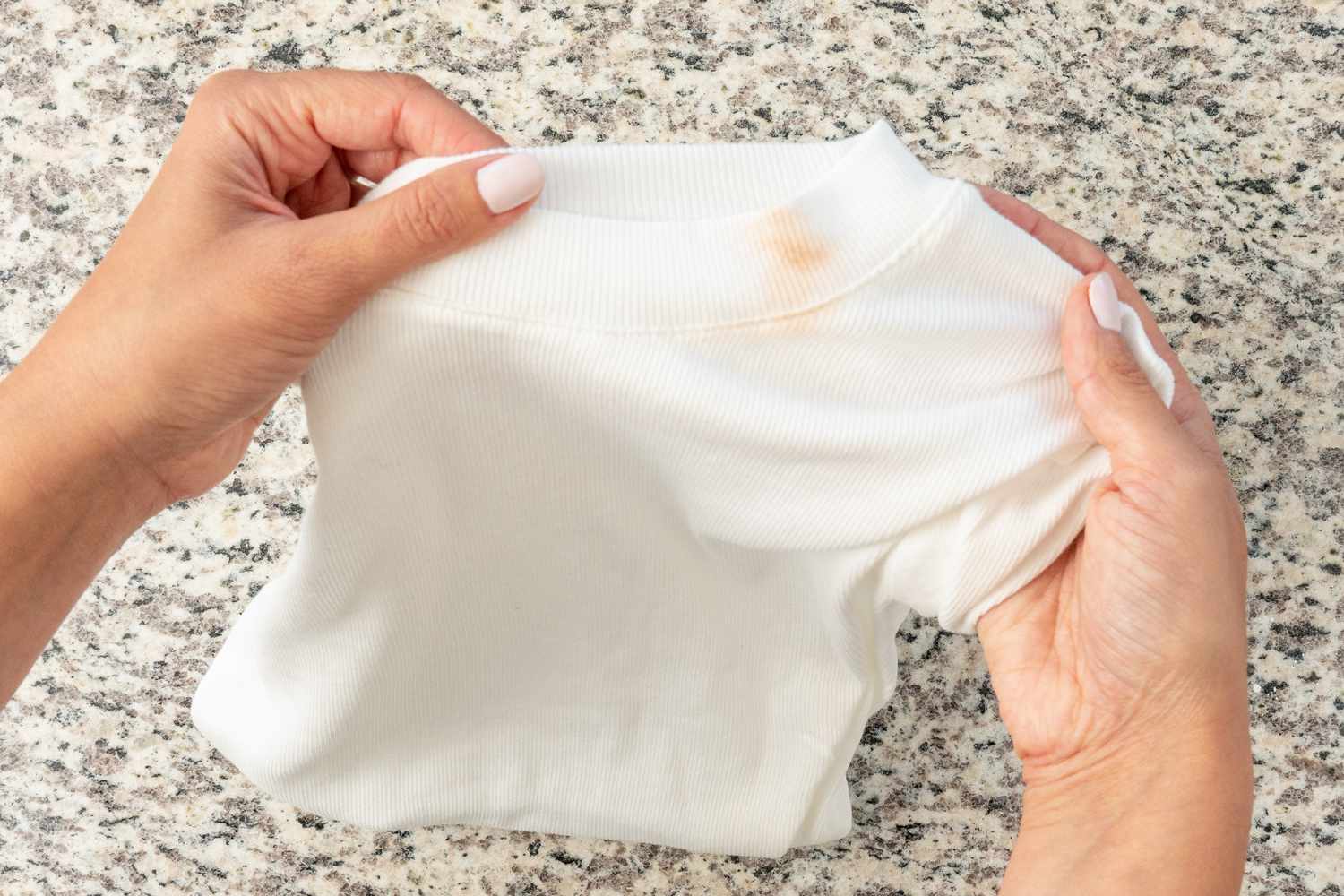
A healthy glow looks great on skin, but fake tan stains on fabrics are far less appealing. While self-tanning products and spray tans offer a safer alternative to excessive sun exposure, they can easily transfer onto clothes, carpets, and bedding if not handled carefully. The good news is that removing fake tan stains is possible when you act quickly and use the right techniques.
This comprehensive guide explains how to remove fake tan stains from clothing, carpets, bedsheets, and white fabrics using proven, fabric-safe methods. Whether you are dealing with a fresh stain or a stubborn set-in mark, these expert-backed tips will help restore your items to their original condition.
Why Fake Tan Stains Are Hard to Remove
Most self-tanners contain dihydroxyacetone, oils, and color additives that bond easily with fabrics. These ingredients are designed to cling to skin, which makes them especially stubborn on absorbent materials like cotton, linen, and carpet fibers. Heat from dryers or hot water can further lock stains in place, making proper stain removal techniques essential.
Understanding the composition of fake tan products helps explain why patience and the right cleaning order are key to success.
How to Remove Fake Tan Stains from Carpet
Fake tan spills on carpet can look alarming, but prompt action can prevent permanent discoloration.
Step by Step Carpet Cleaning Method
-
Use the rounded or flat end of a spoon to gently lift excess tanner from the surface. Avoid pressing down.
-
Do not wipe the stain, as this pushes the product deeper into carpet fibers.
-
Mix two cups of water with one teaspoon of liquid dish soap.
-
Apply the solution gently to the stain, working from the outer edges toward the center.
-
Blot with a clean paper towel or white cloth until the tanner begins to lift.
-
Rinse the area by blotting with a towel dipped in clean water.
-
Continue blotting until no soap residue remains.
-
Allow the carpet to air dry completely.
Extra Tip for Light Carpets
For lighter carpets, repeat the process if needed. Avoid scrubbing, as this can damage carpet fibers and spread the stain.
How to Remove Fake Tan Stains from Bedsheets
Bedsheets are especially vulnerable when self-tanner is applied close to bedtime. Oils and dyes easily transfer during sleep, leaving large stains behind.
Best Method for Bedsheet Stain Removal
-
Act immediately once the stain is noticed.
-
Run cold water through the back of the stained area to loosen the tanner.
-
Prepare a solution of warm water and liquid dish soap.
-
Blot the stain gently, working from the outside inward.
-
Rinse thoroughly with cold water.
-
Wash using a heavy-duty laundry detergent.
-
Inspect the stain before drying.
-
If staining remains, soak the sheets overnight in cold water mixed with oxygen-based bleach, following package instructions.
-
Wash again and air dry.
Never place stained sheets in the dryer until the stain is completely gone.
How to Remove Fake Tan Stains from Clothing
Clothing stains are among the most common fake tan mishaps. The key is treating both the oil and dye components separately.
Removing Fake Tan from Washable Fabrics
-
Turn the garment inside out.
-
Flush the stain under cold running water to remove excess oil.
-
Mix warm water with liquid dish soap.
-
Blot the stain gently using a clean cloth.
-
Rinse thoroughly with cold water.
-
Wash with a heavy-duty detergent.
-
Check the garment before drying.
-
If the stain persists, soak overnight in cold water and oxygen-based bleach.
-
Repeat if necessary.
Removing Fake Tan Stains from White Shirts
White clothing shows fake tan stains more clearly and requires extra care.
-
Avoid chlorine bleach, which can react with tanning dyes.
-
Always use oxygen-based bleach for safe whitening.
-
Sun drying can help naturally lighten faint stains once most of the tanner is removed.
How to Remove Old or Set-In Fake Tan Stains
If a fake tan stain has already set, removal may take more time but is still possible.
Steps for Older Stains
-
Soak the item in cold water for several hours before treatment.
-
Apply dish soap directly to the stain and gently work it in.
-
Rinse and repeat before laundering.
-
Use oxygen-based bleach as a final step if needed.
Persistence is often the deciding factor when removing older fake tan stains.
Common Mistakes to Avoid
Avoiding these mistakes can significantly improve your results:
-
Using hot water too early
-
Scrubbing instead of blotting
-
Putting stained items in the dryer
-
Using colored cloths that may transfer dye
-
Applying too much cleaning solution at once
Preventing Fake Tan Stains in the Future
Prevention saves time and effort. Consider these practical tips:
-
Wear loose, dark clothing after applying self-tanner
-
Wait until skin is fully dry before dressing
-
Use tanning mitts to reduce transfer
-
Apply self-tanner earlier in the day
-
Protect bedding with dark sheets after application
When to Call a Professional Cleaner
For delicate fabrics such as silk, wool, or upholstery labeled dry-clean only, professional cleaning is often the safest option. Inform the cleaner about the tanning product used so they can select appropriate treatments.
Final Thoughts
Fake tan stains can be frustrating, but they do not have to be permanent. With fast action, gentle techniques, and the right cleaning solutions, you can successfully remove spray tan and self-tanner stains from clothes, carpets, and bedding. Acting quickly and avoiding heat are the most important steps to ensure success.


