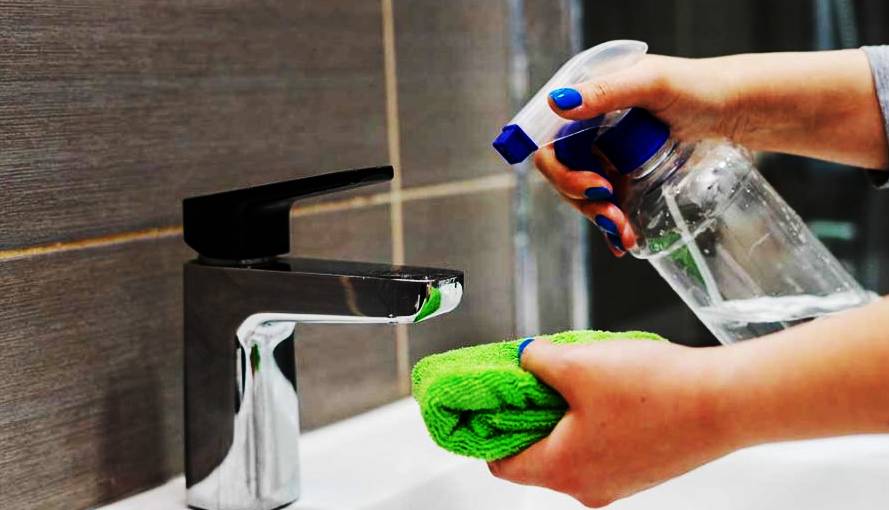
Limescale in the bathroom is more than just an eyesore it can make surfaces look dirty and unhygienic. If left untreated, it can build up over time, staining taps, showers, and sinks. But the good news is that removing limescale doesn’t have to be difficult. Whether you prefer chemical cleaners or natural home remedies, this guide will show you exactly how to remove limescale from your bathroom and keep your fixtures sparkling.
What is Limescale and Why Does it Form?
Limescale is a hard, chalky deposit primarily made of calcium carbonate. It often forms in areas where water is “hard,” meaning it contains high levels of minerals like calcium and magnesium. When hard water evaporates, it leaves behind these mineral deposits.
In bathrooms, limescale commonly appears in:
-
Taps and faucets
-
Showerheads
-
Sinks and drains
-
Kettles and plugs
The more mineral-rich the water in your area, the more likely you are to encounter limescale.
What You Will Need to Remove Limescale
Before you start cleaning, it’s important to have the right supplies. Even when using natural remedies, gloves are recommended to protect your skin. You’ll also need:
-
Lemon juice (fresh or bottled)
-
White vinegar
-
Bathroom cleaner (e.g., Viakal, The Pink Stuff)
-
Elastic bands
-
Cotton wool
-
Microfibre cloths
-
Freezer bags
-
Baking soda
-
Spray bottle
How to Remove Limescale from Bathroom Pipes
Limescale in pipes can reduce water flow and clog drains. Here’s how to clean them effectively:
-
Chemical-free method: Mix 8 liters of white vinegar with 1 cup of baking soda per drain.
-
Prepare the pipes: Remove any plugs and clear the drain of hair or debris.
-
Apply the solution: Pour the baking soda into the drain, then slowly add vinegar.
-
Wait and flush: Leave the mixture for 3-4 hours, then flush with boiling water to remove any residue.
This eco-friendly solution works safely around pets and children, and it keeps your drains free from limescale and soap scum.
How to Remove Limescale from Taps
Taps are one of the most common areas for limescale buildup. Cleaning them involves both the spout and the upper lever areas.
Cleaning the Tap Spout
-
Fill a cap or small container with lemon juice or white vinegar.
-
Position it over the spout so it is completely submerged and secure with tape or an elastic band.
-
Leave overnight for best results.
Cleaning the Tap Body
-
Soak a microfibre cloth in lemon juice or vinegar and wrap it around the tap.
-
Secure it with an elastic band and leave for a few hours or overnight.
-
For chrome or gold-plated taps, avoid vinegar and use lemon juice instead to prevent damage.
Extra Tip
For stubborn deposits, wedge half a lemon on the spout. After cleaning, polish the taps with a dry microfibre cloth for a sparkling finish.
How to Remove Limescale from Your Shower
A limescale-clogged shower handset causes water to spray irregularly. Here’s the natural way to fix it:
-
Remove the showerhead from its installation.
-
Submerge it in a bowl of warm water mixed with vinegar or freshly squeezed lemon juice.
-
Let it soak for 20-30 minutes.
-
Scrub off any remaining deposits with a brush and rinse thoroughly.
This method works especially well on chrome showerheads and restores smooth water flow instantly.
Preventing Limescale Build-Up
Once your bathroom is limescale-free, take steps to prevent future buildup:
-
Wipe taps, showerheads, and tiles after each use.
-
Use water softeners if you live in a hard water area.
-
Regularly clean with vinegar or lemon juice to prevent stubborn deposits.
By following these simple methods, you can maintain a sparkling, hygienic bathroom without harsh chemicals.


