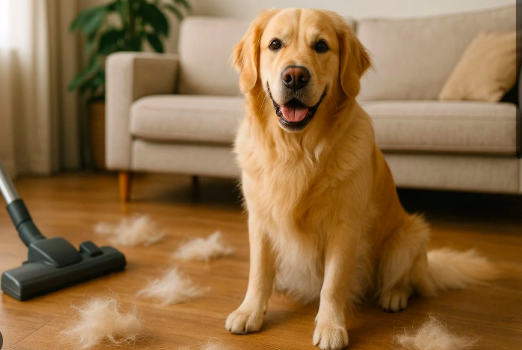
Pets make wonderful companions, but keeping floors clean with pets can feel like a daily struggle. From constant shedding and muddy paw prints to spilled water bowls and the occasional accident, dogs and cats can quickly turn clean floors into a mess. Fortunately, maintaining spotless floors is completely achievable, even in a busy pet friendly home. With the right habits, tools, and routines, you can enjoy both a clean house and happy pets.
This guide provides detailed, practical tips for keeping floors clean with pets, whether you live with a playful puppy, a curious cat, or multiple furry friends.
Brush, Brush, Brush to Control Pet Hair
Pet hair is the most common floor cleaning challenge for pet owners. Most dogs and cats shed regularly, and loose fur easily settles into carpets, corners, and under furniture.
Daily brushing is one of the most effective ways to reduce pet hair on floors. Regular grooming removes loose fur before it has a chance to fall off and spread throughout your home. If possible, brush your pet outdoors to prevent hair from floating around indoor spaces. For cats or indoor-only pets, choose a specific grooming area that is easy to clean.
Using the right brush also matters. Slicker brushes work well for dogs with thick coats, while rubber grooming gloves are excellent for short-haired pets. Consistency is key. Even five minutes of brushing each day can dramatically reduce the amount of hair on your floors.
Clean Your Pet After Walks and Outdoor Play
Dogs often track in dirt, sand, and mud after walks, especially during rainy seasons. Creating a simple post-walk cleaning routine can prevent muddy paw prints from spreading across your floors.
Start by placing a heavy duty doormat at every entrance your dog uses. Pause here to wipe paws with an old towel, pet safe wipes, or a damp cloth. For muddy conditions, keep a small spray bottle of water nearby to rinse paws quickly before drying them.
If you have a laundry room or utility area, this is an ideal spot for post-walk cleanups. Rinse muddy paws gently and dry them thoroughly. When your dog comes home wet, towel dry them and confine them to a room with tile, vinyl, or another easy to clean floor until they are completely dry.
Use Quality Floor Cleaning Supplies for Pet Homes
Investing in the right floor cleaning tools makes a significant difference when living with pets. An electrostatic broom is excellent for attracting pet hair on hard floors, while a pet specific vacuum cleaner is designed to handle fur, dander, and debris without clogging.
Look for vacuums with strong suction, HEPA filters, and brush rolls designed for pet hair. These features help remove allergens and fine hair particles that standard vacuums may miss.
Adopt a quick daily cleaning routine in high traffic areas such as entryways, living rooms, and hallways. A few minutes of sweeping or vacuuming each day prevents hair and dirt from spreading into hard to reach areas. Deep clean the entire house at least once a week for best results.
Clean Up Accidents Immediately and Thoroughly
Accidents are a natural part of pet ownership, especially with puppies, senior pets, or animals adjusting to a new home. Acting quickly is essential to protect your floors and prevent lingering odors.
Use enzyme based cleaners specifically designed for pet messes. These cleaners break down proteins in urine, feces, and vomit, removing odors rather than masking them. This is especially important for carpets and rugs, as lingering smells may encourage repeat accidents.
Avoid harsh chemicals that could damage flooring or pose a risk to pets. Always blot spills instead of rubbing, and follow manufacturer instructions for different floor types.
Create a Designated Den or Resting Area
Designating a specific area for your pet can help contain dirt, fur, and general mess. Provide your dog or cat with a comfortable bed that is easy to clean and place it in a low traffic room.
Wash pet bedding weekly to prevent odors and hair buildup. Over time, your pet will naturally spend more time in this designated area, keeping most of the fur and dirt confined to one space. This strategy is especially helpful in larger homes or apartments with limited storage.
Maintain Your Pet’s Food and Water Area
Food and water stations are common sources of spills and splashes. Clean your pet’s bowls daily to prevent bacteria buildup and unpleasant smells. While doing so, wipe down the surrounding floor, walls, and baseboards at least once a week.
Placing a waterproof mat under food and water bowls helps protect floors from spills. Choose mats with raised edges to catch water and food debris. Silicone mats are especially easy to clean and durable for daily use.
Choose Pet Friendly Flooring Materials
If you are renovating or moving into a new home, selecting pet friendly flooring can make cleaning much easier. Hard surfaces such as tile, luxury vinyl, laminate, and sealed hardwood are more resistant to stains and scratches than carpet.
Area rugs can still be used for comfort and style, but choose washable or low pile options that are easy to vacuum. Avoid light colored carpets if shedding is a concern, as pet hair tends to be more visible.
Trim Nails and Groom Regularly
Keeping your pet’s nails trimmed helps protect floors from scratches and scuffs. Long nails can damage hardwood and laminate surfaces over time. Regular grooming also reduces shedding, dander, and dirt transfer.
If you are not comfortable trimming nails yourself, schedule regular grooming appointments. Groomers can also bathe your pet, further reducing dirt and odor inside your home.
Establish a Consistent Cleaning Routine
Consistency is the secret to keeping floors clean with pets. Create a realistic cleaning schedule that fits your lifestyle. Daily light cleaning combined with weekly deep cleaning prevents buildup and makes chores feel manageable.
Encourage family members to follow the same routines, such as wiping paws at the door and cleaning spills immediately. Over time, these habits become second nature and significantly reduce mess.
Use Preventive Measures to Reduce Mess
Preventive strategies can save time and effort. Keep pet toys in designated bins to avoid clutter on floors. Wash toys regularly to prevent dirt transfer. Train pets to stay off certain areas, such as bedrooms or carpeted spaces, if floor cleanliness is a priority.
For cats, place litter mats outside the litter box to catch stray litter before it spreads. Clean the litter area frequently to avoid tracking and odors.
Enjoy a Clean Home Without Sacrificing Pet Happiness
Keeping floors clean with pets does not mean sacrificing comfort or companionship. With proper grooming, smart cleaning tools, and consistent routines, you can maintain a clean, healthy home while giving your pets the freedom they deserve.
A clean floor is not about perfection, but about balance. By following these tips, you can enjoy both spotless floors and the joy of living with pets every day


