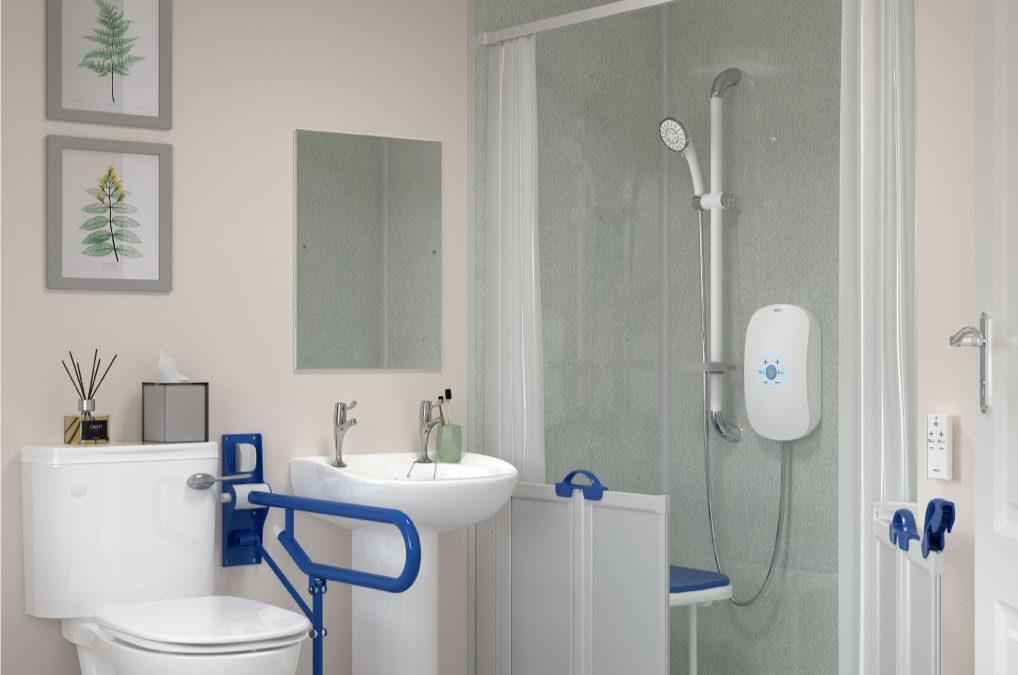
Does your shower stall remind you of old creature feature movies from your childhood like The Creature From the Black Lagoon or The Attack of the Slime People? If your shower looks grimy, slippery, or smells musty, you are not alone. Soap scum, mold, mildew, and hard water stains can quickly turn a clean bathroom into an unpleasant space. The good news is that with the right approach, tools, and products, you can easily tame the beast and restore your shower to a fresh, hygienic state.
This comprehensive guide provides practical and effective shower cleaning tips that will help you deep clean your shower stall and maintain it with minimal effort. Whether you have tiled walls, glass doors, or a shower curtain, these proven methods will leave your bathroom looking spotless and inviting.
Step One: Remove Everything From the Shower
Before you begin cleaning, take everything out of the shower stall. Remove the shower caddy, shampoo bottles, conditioners, body washes, razors, loofahs, jars, and any other items. This step is essential because you cannot properly clean surfaces you cannot reach.
Place all items on a towel or countertop nearby. As you clean the shower, you can also wipe down each bottle and container to remove soap residue and water marks before returning them to the shower.
Step Two: Choose the Right Cleaning Products
Using the correct cleaning product for your shower surface makes a huge difference. Different materials respond better to different cleaners, and using the wrong one may damage your tiles, grout, or glass.
Removing Mold and Mildew
Mold and mildew thrive in warm, damp environments, making showers their favorite spot. A gel type toilet bowl cleaner works surprisingly well for removing mold and mildew from grout lines and corners because it clings to vertical surfaces and penetrates deeply.
Apply carefully, allow it to sit for several minutes, and scrub gently with a brush.
Natural and Budget Friendly Cleaning Solutions
If you prefer a cheaper and more natural solution, vinegar and water make an excellent shower cleaner. This mixture effectively breaks down soap scum, mineral deposits, and light stains without harsh chemicals.
Mix equal parts white vinegar and water in a spray bottle and apply generously to walls, tiles, and fixtures.
Heavy Soap Buildup Solution
For showers with thick, stubborn soap buildup, use this powerful homemade cleaning mixture:
-
1/2 cup baking soda
-
1/3 cup ammonia
-
1/4 cup white vinegar
-
6 cups water
Mix carefully in a well ventilated area. Spray the solution onto the shower walls and tiles and allow it to work before scrubbing.
Step Three: Let the Chemicals Do the Work
One common mistake people make when cleaning a shower is rushing. Cleaning products need time to break down grime, soap residue, and mold. After spraying the walls and floor, let the solution sit for at least 10 to 15 minutes.
While waiting, clean your shower caddy and wipe down all bottles and jars so they are clean and ready to go back into the shower.
Step Four: Scrub From Top to Bottom
When it is time to scrub, always start at the top of the shower and work your way down. This method prevents dirty water from dripping onto areas you have already cleaned.
Use a medium bristle brush to scrub tiles, grout, and corners. A scrub pad attached to a telescoping rod is especially useful because it helps you reach high walls and low corners without straining your back or arms.
Once the walls are clean, rinse them thoroughly by pouring cupfuls of water over the surface or using the showerhead. After rinsing, wipe down the walls with a microfiber cloth and dry the entire surface. Drying helps prevent water spots and slows future mold growth.
Step Five: Deep Clean the Shower Floor
The shower floor collects soap residue, body oils, and dirt, making it slippery and unhygienic. Spray the same cleaning mixture used on the walls onto the floor and allow it to sit.
Scrub the floor thoroughly, paying attention to textured surfaces and grout lines. Rinse well and dry completely with a microfiber cloth to reduce moisture buildup.
Step Six: Cleaning Shower Curtains
If you use a shower curtain, it should be cleaned regularly. Remove the curtain and place it in the washing machine on a gentle cycle. Add a small amount of detergent and allow it to soak during the wash.
For extra cleaning power, you can add a cup of white vinegar or baking soda to the wash. Air dry the curtain or hang it back up while still slightly damp to prevent wrinkles.
Step Seven: Cleaning Shower Doors and Glass Panels
Shower doors often accumulate soap scum and water spots. There are several effective ways to clean them:
-
Use a Mr. Clean Magic Eraser with a small amount of dish soap to remove heavy buildup
-
Spray vinegar and water onto the glass and scrub with a non abrasive pad
-
After cleaning, lightly polish the glass with lemon oil to add shine and help repel soap residue
These methods leave glass doors clear and streak free.
Step Eight: Daily Maintenance Tips
Daily habits make a big difference in keeping your shower clean. Standing water encourages mold and mildew growth, so wiping down the walls and floor after each shower is essential.
Keep a squeegee or microfiber cloth in the bathroom and quickly wipe surfaces once you finish bathing. Proper ventilation is also important. Open windows or run the exhaust fan to reduce humidity levels.
Long Term Shower Cleaning Habits
To maintain a consistently clean shower, deep clean it at least once a week. Regular cleaning prevents buildup from becoming overwhelming and reduces the need for harsh scrubbing.
Replace old sponges and brushes frequently, wash bath mats regularly, and avoid leaving wet items in the shower. These small habits help keep your bathroom fresh and hygienic year round.
By following these shower cleaning tips, you can transform even the grimiest shower stall into a clean, relaxing space. With the right products, proper techniques, and consistent maintenance, your shower will no longer resemble a creature movie set but instead a spotless and welcoming part of your home.


