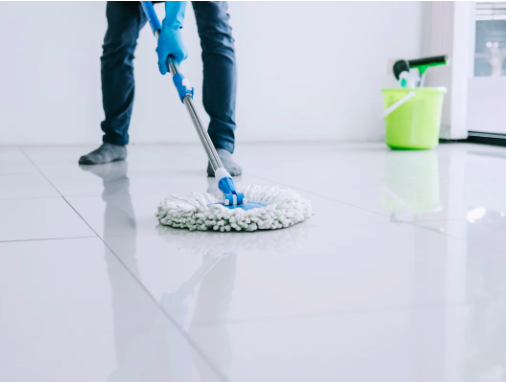
Tile floors are a popular choice in homes due to their durability, aesthetic appeal, and ease of maintenance. However, even the most beautiful tiles can start to look dull or grimy over time if not properly cared for. From ceramic and porcelain tiles in your kitchen to natural stone in your bathroom, maintaining a sparkling floor requires the right cleaning techniques and consistent routine. In this guide, we cover everything you need to know about cleaning your tile floors effectively, keeping grout spotless, and extending the life of your tiles.
Why Regular Tile Cleaning Matters
Keeping tile floors clean is more than just about appearance. Regular maintenance prevents the buildup of dirt and grime, which can scratch and wear down the tile surface over time. Clean tiles also help prevent mold, mildew, and bacteria from forming, particularly in moisture-prone areas like bathrooms and kitchens. Furthermore, consistent care allows you to spot damaged tiles early, saving you from costly repairs later.
High-traffic areas like hallways, mudrooms, and kitchens require more frequent attention, while lower-traffic areas like bedrooms may need cleaning less often. By establishing a cleaning routine, you can ensure your tiles remain bright, hygienic, and attractive year-round.
DIY Tile Floor Cleaner for Ceramic and Porcelain
Ceramic and porcelain tiles are among the most common flooring types in homes due to their durability and resistance to stains. You don’t need harsh chemicals to keep these tiles clean; a simple DIY cleaner made from everyday kitchen ingredients works wonders.
Ingredients:
-
1 gallon of warm water
-
¼ cup of distilled white vinegar
-
Optional: a squeeze of lemon juice or a few drops of essential oil for fragrance
Instructions:
-
Mix the warm water and vinegar in a bucket.
-
Add lemon juice or essential oil if desired.
-
Mop the floor thoroughly with this solution.
-
Change the water if it becomes visibly dirty to prevent spreading grime.
For tougher dirt and grease buildup, upgrade your solution: mix 2 gallons of hot water, ¼ cup of distilled white vinegar, ¼ cup of washing soda, and a squeeze of mild dish soap. This stronger solution works well on kitchen and entryway tiles that see heavy traffic.
Cleaning Natural Stone Tiles
Natural stone tiles like marble, granite, limestone, and slate require a gentler approach. Acids like vinegar or lemon can etch and damage these surfaces, so avoid them entirely. Instead, use a pH-neutral, non-alkaline detergent free from hydroxides, silicates, or phosphates.
Instructions:
-
Mix warm water with a few drops of mild, pH-neutral detergent.
-
Mop the floor thoroughly without soaking it excessively.
-
Rinse with clean water and dry immediately to prevent water spots.
Maintaining natural stone tiles also involves regular sealing, usually once or twice a year, depending on traffic and exposure to moisture. This keeps the tiles protected and makes cleaning easier.
Sweeping and Routine Maintenance
Before wet cleaning, it’s essential to remove dust, dirt, and debris from your tile floors. Sweeping or vacuuming at least once a week prevents abrasive particles from scratching tiles. High-traffic areas may need attention 2-3 times per week.
Tips for Best Results:
-
Use a soft-bristle broom or vacuum attachment to avoid damaging tiles.
-
Focus on corners and along baseboards where dirt accumulates.
-
Maintain a regular schedule to prevent buildup in grout lines.
By combining sweeping with regular mopping, you reduce grime accumulation and make deep cleaning much easier.
How to Wash Tile Floors
Once you’ve removed loose debris, it’s time to clean the tiles. Follow these steps for optimal results:
-
Prepare your cleaning solution (DIY or natural stone as appropriate).
-
Use a mop or microfiber cloth to scrub the tiles thoroughly. Avoid sponge mops, which can push dirty water into the grout.
-
Rinse and change the water as it becomes dirty.
-
Dry glazed or coated tiles to avoid water spots and streaks.
For bathrooms, wet-clean tiles at least once a week to reduce germs and soap scum. In kitchens and living areas, every two weeks is sufficient for general upkeep.
Cleaning Grout on Tile Floors
Grout often traps dirt, making tiles appear dirty even when the surface looks clean. A simple, natural solution using baking soda and water can restore grout to its original color without harsh chemicals.
Materials Needed:
-
Baking soda
-
Water
-
Bowl
-
Brush (stiff-bristled nylon for ceramic/porcelain, soft-bristled nylon for natural stone)
-
Gloves
Instructions:
-
Mix baking soda with water to form a paste. It should be thick enough to stay on the grout but not runny.
-
Apply the paste to grout lines and let it sit overnight.
-
Scrub gently using the appropriate brush. Avoid metal brushes, which can scratch tiles.
-
Vacuum or wipe up excess baking soda.
-
Seal grout with a silicone-based sealer to prevent future stains.
Regular grout cleaning and sealing make tiles easier to maintain and extend the life of your floor.
Additional Tips for Spot Cleaning and Maintenance
-
Stains and spills: Wipe spills immediately to prevent stains. Acidic substances like juice, coffee, or wine can damage some tiles and grout.
-
Mats and rugs: Place mats in high-traffic areas to reduce wear and dirt accumulation.
-
Furniture pads: Use felt pads under chairs and tables to prevent scratches.
-
Deep cleaning schedule: Consider a thorough deep clean every few months for a completely refreshed look.
Conclusion
The best way to clean tile floors combines routine maintenance with effective cleaning solutions tailored to your tile type. Whether you have ceramic, porcelain, or natural stone tiles, using the right cleaner, sweeping regularly, mopping carefully, and maintaining grout can keep your floors looking pristine. By following these tips and establishing a consistent cleaning routine, you not only preserve the beauty of your tiles but also ensure a cleaner, healthier home environment.
Clean, shiny tiles don’t have to be a chore. With these strategies, your tile floors can stay immaculate and inviting year-round.


