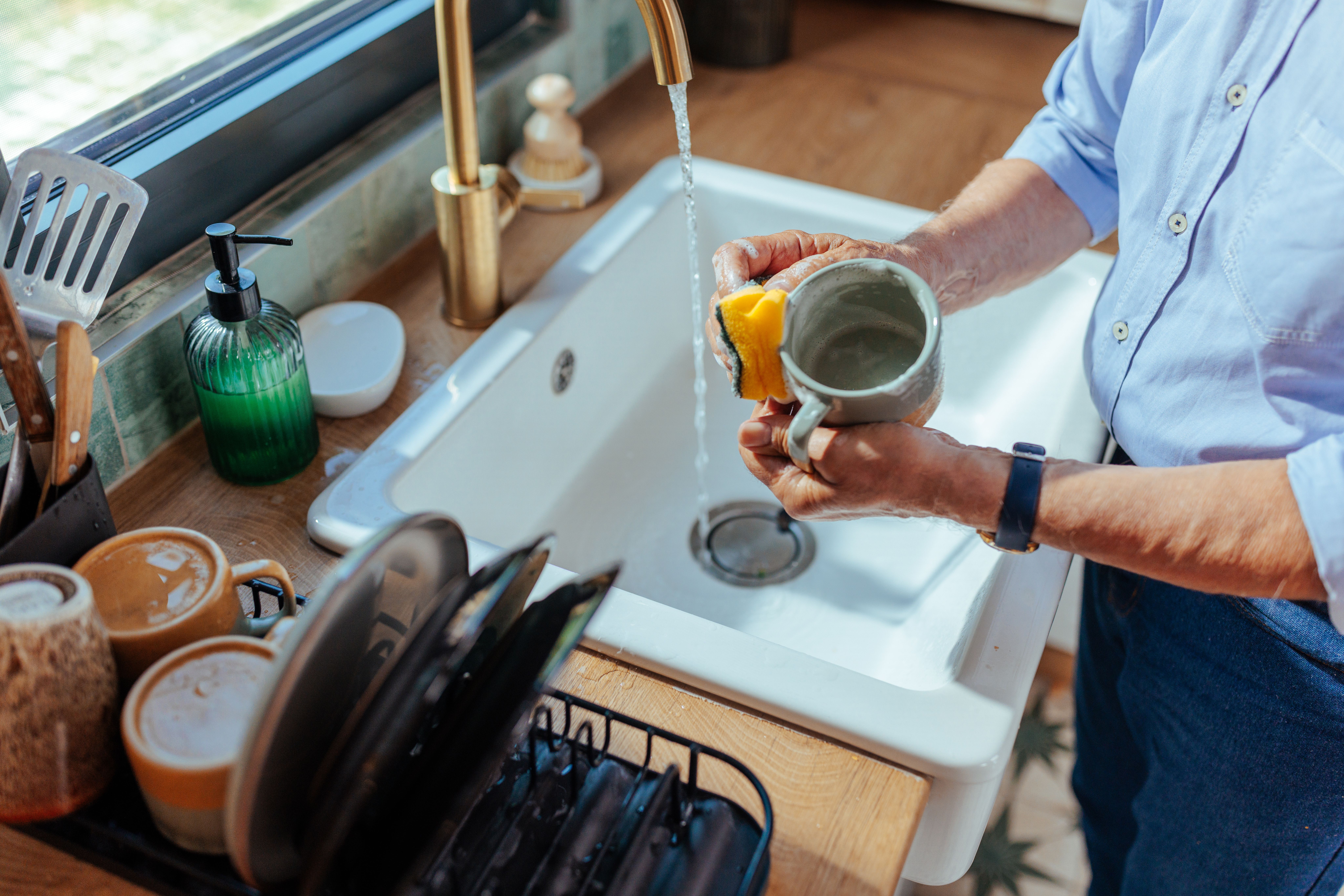
Hosting a big party during the holidays or special occasions is always exciting. Friends and family gather to laugh, share meals, and create unforgettable memories. However, once the guests leave, reality sets in, and the kitchen is often filled with stacks of dirty plates, cups, pots, and serving dishes. Washing dishes after a big party can feel overwhelming, especially if you are tired or do not have a dishwasher to rely on.
Using disposable plates and cups may reduce cleanup time, but it is not always suitable, particularly for formal dinners or environmentally conscious households. If your dishwasher is already full or you do not own one at all, knowing how to wash dishes efficiently by hand can save you time, water, and energy. With the right preparation and a simple system, even the largest pile of dishes can be cleaned quickly and smoothly.
Below is a complete, practical guide filled with proven tips for washing dishes after a big party, designed to help you restore your kitchen without unnecessary stress.
Prepare Your Kitchen Before You Start Washing
Preparation is the key to fast dishwashing after a party. Before turning on the tap, take a few minutes to organize your space.
Start by clearing your countertops. Stack plates together, group cups and glasses, and separate cutlery from cookware. This sorting step prevents confusion and allows you to wash similar items together, which speeds up the entire process.
Next, scrape leftover food into the trash or compost bin. Removing food debris before washing prevents greasy water and reduces the amount of soap needed. It also protects your sink from clogging.
Finally, check that you have all necessary supplies within reach. These include dish soap with strong grease cutting power, sponges or scrub brushes, clean towels, a drying rack, and a basin if needed.
Fill the Sink Correctly for Efficient Dishwashing
One of the most important tips for washing dishes by hand is setting up your sink properly. Fill your sink or a large basin with warm, soapy water. Warm water helps loosen grease and dried food faster than cold water. Choose a quality dish soap designed to cut through grease for best results.
If you have a double sink, fill the second side with cold or cool water for rinsing. This method reduces water usage by eliminating the need for a constantly running tap. To add extra sanitizing power, especially after large gatherings, add one to three teaspoons of bleach to the rinse water. This helps kill bacteria and leaves dishes hygienically clean.
Create an Assembly Line for Faster Results
Washing dishes after a big party becomes much easier when you recruit help. With three or four people, you can turn dishwashing into a simple assembly line that gets the job done in record time.
Assign Clear Roles to Each Helper
The first person scrapes food from plates and places them into the warm soapy water to soak. Soaking loosens dried food and makes scrubbing easier.
The second person scrubs the dishes using a sponge with netting or a sturdy scrub brush. Focus on removing grease and food residue thoroughly.
The third person rinses the dishes in the prepared rinse water and dries them with a clean, soft towel.
The fourth person puts the clean dishes away, keeping cupboards organized and countertops clear.
This system keeps everyone moving and prevents bottlenecks. In many cases, an entire sink full of dishes can be cleaned in less than thirty minutes.
Washing Dishes Alone Without Feeling Overwhelmed
If you do not have helpers available, do not worry. Washing dishes by yourself can still be efficient with the right approach.
Start by scraping all dishes and placing as many as possible into the warm soapy water to soak. Always wash the cleanest items first, such as glasses and cups, followed by plates and cutlery, and finish with greasy pots and pans. This order keeps the water cleaner for longer.
Scrub each item, rinse it thoroughly, and place it on a drying rack. Once everything is clean, either dry the dishes with a towel and put them away immediately or allow them to air dry for a few hours before stacking them in cupboards.
Handle Greasy Pots and Stubborn Stains Easily
Large parties often leave behind greasy cookware and stubborn stains. To tackle these effectively, allow pots and pans to soak longer in hot, soapy water. Adding a small amount of baking soda to the soak can help break down grease and burned food.
For extremely stubborn stains, use a paste made from baking soda and water. Apply it to the affected area, let it sit for a few minutes, then scrub gently. Avoid using harsh metal scrubbers on nonstick or delicate surfaces to prevent damage.
Use Less Water While Washing Dishes
After a big party, dishwashing can use a lot of water if not done carefully. Filling a sink or basin instead of rinsing under running water is one of the best ways to conserve water.
Rinse multiple items at once in the rinse basin. Replace the rinse water only when it becomes cloudy. This method is both environmentally friendly and cost effective.
Keep Your Hands Comfortable During Long Dishwashing Sessions
Extended dishwashing can be hard on your hands. Wearing rubber gloves protects your skin from dryness caused by soap and hot water. Gloves also improve grip, making it easier to hold slippery dishes.
If gloves are not available, apply hand cream immediately after washing to restore moisture and prevent cracking.
Prevent Dish Pileups After Future Parties
One of the smartest tips for washing dishes after a big party is preventing extreme mess in the first place. During the event, periodically clear used plates and glasses into the kitchen and rinse them quickly. This reduces the workload later.
Encouraging guests to place used dishes in a designated area can also help keep things organized. Starting cleanup immediately after the party, rather than waiting until the next day, makes the task feel much lighter.
Turn Dishwashing Into a Positive Experience
Cleaning up does not have to be unpleasant. Play music, listen to a podcast, or chat with helpers while washing dishes. This transforms dishwashing from a chore into a shared activity that ends the celebration on a positive note.
With the right system and mindset, washing dishes after a big party can be quick, efficient, and even enjoyable.


